


Category: OXCEL Awards






















Optimizing Production and Operations Management by Dr Joseph Barone
Dr Joseph Barone (LinkedIn) is a recent Fellow Diploma holder of OXCEL. We are pleased to publish the online text of his recently completed book.
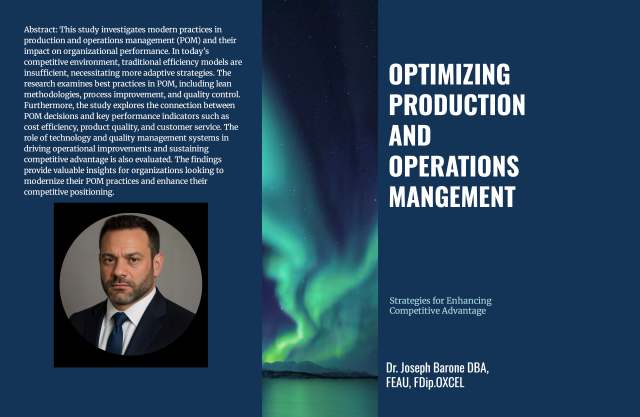
OPTIMIZING PRODUCTION AND OPERATIONS MANAGEMENT
Strategies for Enhancing Competitive Advantage
by Dr. Joseph Barone DBA, FEAU, FDip.OXCEL
© 2025 Dr. Joseph Barone DBA, FEAU, FDip.OXCEL
All rights reserved.
Contents
Introduction to Production and Operations Management
Lean Methodologies
Process Improvement Techniques
Quality Control Systems
Key Performance Indicators in Operations
Technology in Production and Operations Management
Quality Management Systems
Sustaining Competitive Advantage
Case Studies in Operations Management
The Future of Production and Operations Management
Preface
As I sit down to pen this preface for “Optimizing Production and Operations Management: Strategies for Enhancing Competitive Advantage,” I cannot help but reflect on the astounding evolution of industries across the globe. Factors like globalization, digital transformation, and a paradigm shift in consumer behavior have drastically reshaped how businesses think about their production and operations. In an ever-changing landscape, one thing remains constant: the central role that effective production and operations management (POM) holds in carving a path toward achievability and sustainability. This book emerges from both a passion for the subject and a keen awareness of the challenges today’s organizations look to navigate with agility and creativity. My intent is to arm managers, students, and practitioners alike with insights that will not just challenge conventional wisdom but empower them to think differently and act decisively to ensure their firms thrive.
Over the past few decades, traditional models of production efficiency have relentlessly collided with the realities of fast-paced consumer demands and technological leapfrogging. Automation, data analytics, and lean methodologies have transformed not only the processes within operations management but also the strategic frameworks upon which businesses rely. This book endeavors to elucidate these transformations while shedding light on the overarching themes of adaptability, innovation, quality management, technology integration, and sustainability. These themes intertwine to form a cohesive narrative that illustrates how organizations can navigate the multifaceted challenges of modernity and emerge not just resilient but vibrant, gaining competitive advantage in the process.
Each chapter of this work serves as a tributary flowing into the larger river of production and operations management, illustrating the interplay of theory and practice that characterizes this dynamic field. We will dive deep into the significance of lean methodologies. Indeed, the spirit of lean is not merely about cost; it’s about maximizing value. In the forthcoming pages, we will investigate how adopting such frameworks can lead businesses on a transformational journey. This exploration will be enriched by captivating real-world case studies, offering an invitation for readers to witness how theoretical concepts manifest in tangible success stories. It’s here that we embrace the glorious uncertainty—the perplexing agility—needed to align strategies with real-time market demands.
We also pivot our focus toward the mechanisms vital for ensuring quality in product output. The significance of quality management systems cannot be overstated, especially as competitors vie for consumers’ attention. In a crowded marketplace where customer expectations rise incessantly, the performance of production and operations must be meticulously calibrated against key performance indicators (KPIs)—ensuring that cost efficiency, product quality, and stellar customer service underpin all strategic decisions. This is where our understanding deepens: in the connection between measured outcomes and the operations we choose to implement.
As we advance, we will encounter the role of technology—automation and data analytics—as the catalysts for operational enhancements. The chapter on technology integration is sure to spark curiosity, as we confirm that organizations ready to embrace innovations are, in effect, poised to seize opportunities for scaling positive impacts. The digital age offers organizations tools that were scarcely imaginable a few decades ago—tools that can refine processes in real time, unearth inefficiencies, and allow for unprecedented levels of customization. The ability to harness these tools effectively will become the lifeblood of any competitive strategy, allowing businesses to fluidly adapt their operations in response to shifting economic tides.
Sustainability also garners a significant focus in this exploration. Today, consumers are increasingly demanding commitment—not just in product quality but also in ethical practices. As markets evolve, taking sustainable actions no longer resides within mere consideration; it has become a necessity. This book urges readers not to view sustainability as a constraint but rather as a gateway to innovation, demonstrating how green practices can harmoniously coexist with operational excellence. The leap toward a sustainable future requires not just bold thought but audacious action.
By synthesizing insights from industry leaders, empirical evidence, and case studies, this book aims to support our understanding of effective POM. Each chapter has been crafted not just to convey information, but to foster a deeper connection to the realities that leaders face in production and operations management. I invite readers to engage with the material, reflect on the discussion questions posed at the end of each chapter, and resist the urge for passive consumption of concepts. The active participation will not only enhance understanding but will yield methodologies that can be applied within their own organizations.
As we embark on this enlightening journey through the landscape of production and operations management, I encourage readers to be open-minded. The fusion of theory and practice, alongside an exploration of new frontiers in technology and sustainability, beckons you to reevaluate your approaches and consider how to carve pathways that ensure your organization not only survives but thrives in an intricate web of challenges. May this book serve as a trusted companion on your quest for excellence; I hope the insights provided inspire imaginative solutions to contemporary predicaments and invigorate your commitment to innovating within your field. Welcome to the exploration of optimizing production and operations management—an adventure awaits!
Introduction to Production and Operations Management
Defining POM
Production and Operations Management (POM) is an essential domain within business administration that focuses on the effective and efficient transformation of inputs into outputs. It encompasses a wide array of processes and activities, which include planning, organizing, directing, and controlling the production of goods and services. A fundamental aspect of POM is its temporal association, beginning from the inception of a product or service idea through the stages of production, quality assurance, and finally, delivery to the end customer. The discipline of POM is not merely a functional area but rather an integrated approach vital for achieving organizational goals and optimizing performance across various sectors. Historically, the evolution of POM can be traced back to the early stages of production, where craftsmanship dominated the landscape. Artisans and craftsmen would produce goods in small quantities, often customizing each product according to individual client specifications. This early model, while effective in its context, eventually proved inadequate as industrialization took hold. The transition to mass production during the late 18th and early 19th centuries marked a significant shift in POM, as organizations began to adopt assembly line techniques and standardized processes. The efficiency gained from these developments catalyzed a new era, allowing companies to produce vast quantities of goods at reduced costs. This industrial revolution stimulated the growth of POM as a formal discipline, introducing essential theories and methodologies that prioritized efficiency, productivity, and operational excellence.
In the decades that followed, increasing competition in markets accentuated the necessity for organizations to continuously evolve their production strategies. The emergence of total quality management (TQM) in the mid-20th century brought a focus on quality assurance and customer satisfaction into the realm of POM, highlighting that operational efficiency alone was not enough to guarantee success. Organizations began to understand that their competitive advantage rested not only on their cost structures but also on the quality of their goods and services. As global markets expanded and consumer preferences evolved, the challenges facing manufacturers and service providers became more complex. The adoption of just-in-time (JIT) inventory systems, pioneered by Japanese manufacturers, illustrated a critical turning point in POM, as companies sought to reduce waste and streamline their supply chains while remaining responsive to market dynamics. These developments underscored the essential role of POM in building resilient organizations capable of adapting to changing conditions, ultimately reinforcing its importance as a strategic function within businesses.
In the contemporary business environment, POM faces a myriad of challenges, including technological disruptions, shifts in consumer behavior, and the increasing pressures for sustainability. As digital technology advances and automation technologies proliferate, organizations find themselves at a crossroads where traditional methods of production are being challenged. The integration of advanced data analytics, artificial intelligence, and robotics into operations signifies a new era for POM—one that demands agility and adaptability to capitalize on technological advancements. The challenge, therefore, lies not only in adopting these technologies but also in aligning them with overarching business strategies to bolster competitive positioning. Additionally, as consumers become more environmentally conscious, organizations are compelled to incorporate sustainable practices into their production processes. This shift towards sustainability is not just a response to consumer demand but also a critical component of long-term viability in a world increasingly defined by its finite resources and ecological constraints. Consequently, POM has evolved into a multifaceted field that intersects with digital transformation, customer engagement, and sustainability initiatives.
Furthermore, the COVID-19 pandemic has served as a catalytic event, reshaping urgent considerations in POM as organizations grapple with supply chain interruptions and fluctuating market uncertainties. Organizations have rapidly adapted by enhancing their operational resilience through diversified supply chains, improved risk management frameworks, and more robust contingency plans. The agility demonstrated in reconfiguring production lines to address critical shortages, such as personal protective equipment during the pandemic, illuminates the significance of POM as a strategic endeavor that extends far beyond mere efficiency considerations. Instead, it encompasses foresight, strategic planning, and the ability to pivot quickly in response to unforeseen challenges while meeting customer needs.
One of the paramount considerations within POM is the alignment of production strategies with organizational objectives. This synergy is not merely about operational efficiency; it also contributes to the overall strategic vision of the organization. Key Performance Indicators (KPIs) tied to production outcomes should reflect overarching business goals, ranging from growth in market share to customer satisfaction rates and environmental impact assessments. These metrics enable organizations to gauge performance and make informed decisions that resonate with their strategic priorities. In this context, POM is not an isolated function but interwoven with finance, marketing, and human resources, ensuring that the production orientation supports the entire organization’s vision. Considering these realities, it becomes apparent that defining POM entails much more than understanding the historical context or the key processes involved. It requires an acknowledgment of the intricate network of challenges, innovations, and strategic alignments that shape how organizations operate in today’s dynamic landscape.
As we continue to explore the nuances of POM, it is essential to recognize the profound impact of global connectivity and technological advancements. The rapid proliferation of information technologies, notably the Internet of Things (IoT) and cloud computing, has dramatically influenced how production and operations are managed. These technologies enable real-time data exchange and foster a level of connectivity among stakeholders that was previously unattainable. For example, manufacturers can now monitor production performance in real time, track equipment diagnostic data, and respond instantaneously to deviations in quality, all of which contribute to greater operational agility. The influx of data necessitates that organizations embrace data-driven decision-making within their POM frameworks, thus reinforcing the need for a competent understanding of analytics and how it can be harnessed for continuous improvement.
Moreover, as the business landscape continues to evolve rapidly, organizations must prioritize a culture of innovation. To thrive amidst such volatility, organizations need to foster an environment that encourages creative thinking and experimentation within their operational frameworks. This innovation-oriented mindset transcends technological adoption; it encompasses a broader spectrum of methodologies focused on promoting process improvements, cultivating employee engagement, and embracing non-traditional approaches to problem-solving, ultimately reimagining what production and operations management can entail. The future of POM lies not just in executing established practices but in redefining and adapting these practices in alignment with emerging trends and disruptions.
In aggregate, Production and Operations Management represents a vital nexus of strategic consideration and practical implementation. A comprehensive understanding of the historical context and current trends is essential for appreciating its importance in crafting competitive advantages within a global marketplace. As organizations navigate the myriad challenges and opportunities presented by the contemporary business environment, the principles of POM will remain at the heart of operational strategies that drive performance, sustainability, and ultimately, organizational success. The path ahead calls not only for the reexamination of existing POM practices but also for a forward-thinking perspective that embraces the complexities and possibilities that lie ahead.
Historical Context
The historical context of production and operations management (POM) serves as a compelling narrative that encapsulates the transformation of industrial practices through various eras, reflecting not only technological advancements but also shifts in societal needs and economic landscapes. The roots of POM can be traced back to the Industrial Revolution, a period characterized by significant technological innovation and a move towards mechanized production. This era shifted the focus from artisanal craftsmanship towards mass production practices, leading to an unprecedented surge in productivity. The introduction of steam power, mechanized looms, and assembly lines revolutionized the manufacturing process. As factories became the heart of industrial activity, the principles of efficiency and organizational structure emerged as paramount concerns.
With the dawn of the 20th century, thinkers like Frederick Winslow Taylor pioneered scientific management, a systematic approach that sought to enhance operational efficiency through time studies and task optimization. Taylor’s time and motion studies laid the foundations for what would become a core tenet of POM: the necessity for streamlined processes and the minimization of waste. This methodology found its applications across various industries, propelling businesses towards greater productivity while advocating for the specialization of labor. However, as organizations began to adopt these practices, the mechanistic view of management engendered challenges, primarily concerning worker satisfaction and morale. The rigid nature of task specialization often led to a culture of dissatisfaction, highlighting the need for a more holistic approach to management that considered not just the efficiency of operations but also the welfare of the workforce involved.
In response to the mechanistic and often demoralizing nature of early management techniques, the human relations movement emerged during the 1930s and 1940s, acknowledging the psychological and social factors influencing productivity. Pioneers such as Elton Mayo contributed significantly to this shift, emphasizing the importance of social interactions within the workplace. The realization that worker satisfaction directly impacted productivity prompted a more inclusive approach, integrating employee feedback and fostering collaboration as key components of operational success. This period heralded the recognition that effective POM practices must balance both technical efficiency and human factors, leading to the development of more integrative and adaptive management strategies that regarded employees not merely as cogs in the machine but as contributors to organizational success.
The subsequent decades saw the emergence of various production philosophies and operational techniques, particularly those that emphasized quality and continuous improvement. The introduction of Total Quality Management (TQM) in the 1980s marked a significant milestone in POM, as organizations began incorporating quality control mechanisms into every aspect of operation, from design and development to production and customer service. TQM’s holistic approach encouraged all employees to actively participate in identifying and eliminating defects, thus shifting the quality paradigm from inspection after the fact to a preventive approach embedded within the operational culture. This philosophy resonated with consumers, leading to heightened expectations for product quality and service delivery, which further laid the groundwork for modern practices in POM.
Simultaneously, the rise of globalization in the late 20th century compelled organizations to rethink their production strategies, as they faced new competitive pressures from international markets. Companies began to explore outsourcing and offshoring, seeking efficiencies and cost advantages while simultaneously grappling with issues of supply chain management. The need for a dynamic and responsive approach to operations management became evident, as organizations were challenged to maintain quality and deliver value while navigating the complexities of global supply networks. The quest for competitive advantage saw companies increasingly embrace technologies that offered enhanced overhead visibility and operational flexibility, culminating in the concept of lean production, a strategy that eliminates waste without sacrificing productivity.
As the 21st century unfolded, technological advancements began to proliferate at an astonishing pace, reshaping the landscape of POM more fundamentally than ever before. The advent of digital technology, automation, and, more recently, artificial intelligence has prompted companies to reimagine their operations entirely. With sophisticated data analytics, organizations have the ability to make data-driven decisions in real time, adapting quickly to fluctuations in demand and market dynamics. These technologies have not only streamlined production processes but also enhanced customization and personalization of products, thereby elevating customer satisfaction levels. The integration of Industry 4.0 principles into manufacturing and service operations signifies a shift towards intelligent operations that leverage connectivity and data to optimize performance and maintain competitiveness in an era characterized by rapid innovation.
Today, the challenges faced by organizations in production and operations management are emblematic of a new age of complexity and turbulence. The COVID-19 pandemic revealed vulnerabilities within global supply chains, prompting a reevaluation of operational resiliency and adaptability. Organizations are now compelled to consider not only efficiency but also robustness, responsiveness, and sustainability in their operations. The increasing emphasis on environmental and social governance (ESG) reflects a broader recognition of the role POM plays in contributing to sustainable development. As stakeholders demand more accountability from organizations regarding their environmental footprint and social impact, POM strategies that prioritize sustainability and ethical practices become paramount.
In the contemporary business environment, the historical evolution of POM emphasizes the necessity for an integrative perspective that considers the multifaceted dimensions of production processes. As companies strive to carve out competitive advantages amid rising expectations and shifting market conditions, they must adopt a mindset of continuous improvement and innovation. The journey from the mechanistic approaches of the past towards a more dynamic, flexible, and human-centered management style underscores the significance of POM as a key driver of organizational success. Thus, understanding this historical trajectory not only illuminates the path that led to current practices but also serves as a valuable framework for shaping future developments in production and operations management. Organizations that grasp this historical context and apply its lessons in alignment with contemporary challenges will undoubtedly be better positioned not only to thrive but to lead in their respective markets through an unwavering commitment to enhancing competitive advantage.
Current Challenges in POM
The field of production and operations management (POM) has undergone significant transformation throughout its history, adapting to the ever-changing landscape of market demands, technological advancements, and evolving customer expectations. As organizations strive to establish and maintain a competitive advantage, they face a myriad of challenges that complicate the process of effective operations management. One of the foremost challenges is the rapid pace of technological change, which not only affects production processes but also alters consumer behavior and expectations dramatically. The advent of automation and artificial intelligence has led to efficiencies previously unimaginable, yet it has also created an atmosphere of uncertainty and urgency for many organizations. Firms are pressured to integrate these technologies swiftly to remain relevant, leading to concerns about the cost, implementation, and potential disruption of existing workflows. This challenge is further compounded by the need for upskilling and reskilling the workforce, as employees must adapt to new tools and practices, and the accompanying resistance to change often poses an additional hurdle.
Globalization represents another significant challenge, as organizations are no longer merely competing within their domestic markets but also on an international scale. While globalization presents opportunities for growth and access to new markets, it brings along complex logistical and operational intricacies. Supply chains have become more intricate, necessitating effective coordination across multiple countries and cultures. This complexity can result in vulnerabilities, especially in times of geopolitical instability or trade tensions, where tariffs and logistics disruptions can impact the flow of materials and goods. Furthermore, the pressure to optimize costs while maintaining high-quality standards means that production and operational strategies must be more agile and adaptable than ever before. The ever-present risk of supply chain disruptions highlights the importance of resilience in POM, emphasizing the need for organizations to diversify suppliers and incorporate risk management strategies into their operational frameworks.
Sustainability concerns also challenge organizations in their operational pursuits. The modern consumer is increasingly aware of environmental impacts and demands greater transparency regarding the sourcing and manufacturing processes behind the goods they purchase. This shift in consumer behavior necessitates organizations to reevaluate their production practices to prioritize sustainable methods that minimize waste and reduce carbon footprints. However, adopting sustainable practices often requires substantial investments in research, technology, and training. Additionally, the transition to sustainable operations can lead to trade-offs in terms of cost and efficiency, presenting a dilemma for managers who must balance profitability with environmental responsibility. In navigating these challenges, companies are compelled to innovate continually, seeking out new ways to achieve sustainability without compromising quality or performance.
In addition to technological, globalization, and sustainability challenges, organizations are also grappling with the need for operational flexibility in response to fluctuating consumer demands. The COVID-19 pandemic emphasized the importance of adaptability in supply chains and operational models, as many organizations were forced to pivot quickly to address unprecedented market shifts. This situation underscored the necessity for robust contingency planning, as firms that had previously built in flexibility within their operations were better positioned to weather the storm. Moreover, the changing nature of labor markets, influenced by the gig economy and remote work trends, has further complicated the traditional POM paradigms. Organizations are now tasked with finding the right balance between full-time employees and flexible workforce arrangements, necessitating thoughtful strategies concerning recruitment, management, and operational effectiveness.
The integration of data analytics into operations presents both an opportunity and a challenge. With the explosion of big data, organizations have access to unparalleled insights that can inform decision-making and drive process improvements. However, the challenge lies in the ability to analyze this data effectively and translate it into actionable strategies. Many organizations struggle with the sheer volume of information and may lack the analytical capabilities necessary to extract meaningful insights. This situation requires not just investment in advanced analytical tools but also a cultural shift within organizations to embrace data-driven decision-making as a core component of their operational strategy.
Finally, the challenge of aligning production and operations management with broader organizational goals cannot be overlooked. In many organizations, POM is often viewed as a separate entity rather than as a crucial function that contributes to the overall success of the business. This disconnect can lead to inefficiencies, as operational decisions may not fully account for the strategic direction set by top management. To overcome this challenge, leaders must foster a culture of collaboration between departments, ensuring that production and operations decisions are informed by and integrated with the company’s vision and objectives. This alignment is essential for cultivating a unified approach to achieving competitive advantage and delivering value to customers.
As organizations confront these multifaceted challenges within production and operations management, the need for innovative solutions becomes paramount. The subsequent chapters of this book will delve deeper into strategies and practices that can enable organizations to address these challenges effectively. By synthesizing theoretical frameworks with practical applications, we will explore how organizations can enhance their operational capabilities and foster resilience in an increasingly volatile marketplace. In doing so, we aim to equip managers and decision-makers with the tools necessary to navigate the complexities of POM and sustain their competitive advantage in the long term. Ultimately, recognizing and addressing the current challenges in POM is a critical step toward achieving operational excellence and driving overall business success.
Lean Methodologies
Principles of Lean Management
Lean management, at its essence, is rooted in the pursuit of minimizing waste while maximizing value. This philosophy emerged from the practices established within the Toyota Production System (TPS) and has since evolved into a comprehensive approach that transcends manufacturing to touch various facets of business and operations. Central to lean management are several guiding principles that not only inform practices but also provide a framework for organizations striving to enhance efficiency and cultivate a culture of continuous improvement. The first fundamental principle of lean is the identification of value from the standpoint of the end customer. This value is not merely derived from the final product or service but encompasses the entire customer experience and the perception of quality, reliability, and service. Organizations often fall into the trap of assuming they know what the customer values without engaging with them directly, leading to misaligned priorities. By actively soliciting feedback and understanding customer needs, organizations can direct their resources towards delivering what truly matters, which is the cornerstone of lean thinking. The consequence of prioritizing clear value expectations fosters a culture where all processes are streamlined towards enhancing customer satisfaction.
Following the identification of customer value is the critical aspect of mapping the value stream. This involves understanding each step in the process that contributes to the delivery of that value. By creating a visual representation of the workflow, organizations gain clarity on where value is added and where waste exists—waste being defined in lean as anything that does not add value from the customer’s perspective. The types of waste, commonly referred to in lean management as the “Seven Wastes” (overproduction, waiting, transport, extra processing, inventory, motion, and defects), serve as a guide to scrutinizing processes with a discerning eye. Mapping the value stream not only highlights inefficiencies but also serves to foster collaboration among team members, as individuals share insights and identify redundant or non-value-added tasks. For instance, a hospital that undertakes value stream mapping may uncover prolonged patient wait times resulting from outdated procedures and miscommunication, prompting a re-evaluation of their operational protocols to enhance patient flow and ultimately care.
Once the value stream is mapped and the waste is understood, the next principle advocates for the creation of work processes that maintain consistency leading to predictable results. This involves standardizing tasks for efficiency and effectiveness, ensuring that all employees have clear guidelines to follow. By doing so, organizations can substantially reduce variability, enhance efficiency, and improve overall quality. Key to this principle is the role of employee engagement. Lean management posits that those closest to the work have the best insights into the problems faced and the solutions possible. Consequently, fostering a participative culture where employee input is valued instills a sense of ownership among staff members. This empowerment not only brings forth innovative ideas for continuous improvement but also enriches the work environment as employees feel motivated to contribute actively to the organization’s goals. For example, in the automotive industry, assembly line workers who have autonomy to implement small changes that enhance their process often experience increased job satisfaction while concurrently boosting overall operational effectiveness.
As organizations continue their lean journey, the emphasis on establishing a pull system becomes paramount. Unlike traditional production methods that operate on a push system—where goods are produced based on forecasted demand—a pull system ensures that products are manufactured only as customers demand them. This Lean principle is fundamentally aimed at reducing overproduction and excess inventory, which are often costly and inefficient. By using techniques like Just-In-Time (JIT) production, organizations can synchronize supply with demand, thus streamlining operations and maintaining optimal inventory levels. This strategic approach not only reduces waste but also enhances responsiveness to market changes, enabling companies to better meet customer expectations. In the realm of retail, for instance, companies leveraging the pull system have seen significant reductions in holding costs and improved availability of products that are in high demand, leading to elevated customer satisfaction levels.
In pursuing these foundational lean principles, organizations often encounter the need for a commitment to continuous improvement, known as Kaizen. This Japanese term embodies the philosophy of seeking incremental, ongoing changes that result in improved efficiency and quality over time. Kaizen encourages all employees, regardless of their level within the organization, to look for areas of improvement in their daily operations. This approach fosters a proactive mindset among employees to identify and rectify inefficiencies before they escalate into larger issues. In real-world examples, companies that incorporate Kaizen reporting mechanisms have demonstrated dramatic enhancements across various performance indicators. For instance, a manufacturing plant might implement a small change in machine set-up procedures that results in significantly reduced downtimes, showcasing how small tweaks can lead to substantial gains.
Moreover, the culture ingrained through lean practices emphasizes problem-solving rather than problem avoidance. The concept of “genchi genbutsu,” which translates to “go and see,” is significant within lean philosophy. It encourages leaders and managers to go to the actual place of work to observe and understand the issues firsthand, rather than relying solely on reports or data. This hands-on approach not only provides insight but also fosters stakeholder engagement and strengthens the connection between various levels of the workforce. By recognizing that issues are often deeper than they appear on the surface, organizations adopt a more thorough approach to problem-solving that maintains the integrity of lean principles. Consider a case wherein a team experiences consistent delays in delivery schedules; by directly observing the production line, leaders may uncover training gaps among employees or deficiencies in equipment, enabling targeted interventions that address the root causes of the delays.
Another vital component of lean management lies in the systemization of quality control. In environments where lean practices are in place, quality ceases to be an endpoint checked after production but rather an integrated aspect of every step in the process. This commitment to quality is bolstered by the adoption of practices such as Total Quality Management (TQM) or Six Sigma. These frameworks focus on the elimination of defects and the promotion of quality at the source, which fosters not only accountability but also drives a culture where mistakes are seen as opportunities for learning and growth. Organizations employing these techniques often benefit from reduced costs associated with rework and returns, reinforcing the lean ideal of enhancing value creation through quality assurance. A poignant example includes a food processing company that implements stringent quality checks at various stages of production; by doing so, they substantially minimize waste and ensure customers receive superior products every time.
As organizations fully embrace lean principles, they find that the synergy created by these methodologies fosters adaptability. The inherent flexibility of lean processes empowers organizations to respond swiftly to changes within the market landscape. This responsiveness is critical in today’s fast-paced environments, where consumer preferences can shift rapidly and unpredictably. By creating an operational ecosystem grounded in lean principles, companies can pivot effectively when needed, reassuring customers that their needs will always be met with agility and precision.
A hallmark of successful lean transformations is their focus on sustaining gains over time. This requires embedding lean practices into the corporate culture, making lean thinking part and parcel of everyday operations. Education and training play key roles in this evolution, ensuring that employees understand the principles of lean and can apply them effectively in their work environments. Organizations benefit from ongoing training programs that cultivate a deep-rooted understanding of lean methodologies, empowering employees to take ownership and responsibility for continuously improving their own processes. Concerted efforts towards culture-building, coupled with effective communication strategies, further entrench lean principles so they flourish throughout the organization. A notable example can be found in organizations that not only embrace lean methodologies to root out inefficiencies but also formalize their commitment through certifications, continuous learning, and development programs.
The journey toward implementing lean management is undoubtedly challenging, yet organizations that adeptly navigate this path reap noteworthy rewards. The resulting operational efficiencies often manifest in reduced costs, enhanced customer satisfaction, and improved employee morale. As practitioners of lean management witness firsthand the workings of these principles, they can’t help but recognize their revolutionary potential to transform organizational frameworks, allowing them to thrive amidst uncertainty and competition. Through a steadfast commitment to integrating these lean principles, businesses position themselves favorably for the future, continuously seeking to strike a balance between quality, efficiency, and customer satisfaction, ultimately forging a robust, resilient operational backbone. As organizations embark on this transformative journey, they do so not simply as a means of survival but in pursuit of excellence that is deeply embedded in the ethos of continuous improvement, adaptability, and a firm commitment to sustainability in today’s dynamic marketplace.
Tools for Lean Implementation
In the pursuit of operational excellence, organizations are increasingly turning to lean methodologies as a means of enhancing efficiency and productivity while simultaneously reducing waste. Central to this approach are a variety of tools designed to facilitate the implementation of lean practices. Among the most widely recognized are 5S and Value Stream Mapping (VSM), both of which play pivotal roles in creating an environment where continuous improvement thrives. The application of these tools not only exemplifies the principles of waste reduction and value creation but also highlights the transformative journey organizations undergo through lean implementation.
5S is a structured methodology originating from Japanese manufacturing that emphasizes the importance of a tidy, organized workplace. The five pillars of 5S—Sort, Set in order, Shine, Standardize, and Sustain—serve as both a foundational framework and a guiding philosophy for workers and managers alike. The initial step, Sort, involves identifying and separating necessary items from unnecessary ones, eliminating clutter that impedes productivity. This practice is crucial in fostering an environment where workers can focus on their tasks without being overwhelmed by excess items. Following Sort, Set in Order emphasizes arranging and organizing tools, materials, and information systematically so that they are easy to locate and utilize. This not only streamlines workflows but also minimizes time lost searching for essential resources. The subsequent step, Shine, pertains to the routine cleaning and inspection of the workplace, ensuring that all areas maintain a standard of cleanliness conducive to safety and efficiency. By incorporating these elements, organizations cultivate a culture of ownership and responsibility, encouraging employees to take pride in their workplace and participate in creating a productive environment.
Moving beyond 5S, Value Stream Mapping introduces a more comprehensive perspective on the flow of materials and information necessary for delivering a product or service. VSM entails creating a visual representation that maps out all the steps involved in a process, from raw material acquisition to the final delivery of a product to the customer. By examining each step—both value-adding and non-value-adding—organizations can identify bottlenecks, redundancies, and areas ripe for improvement. The visualization provided by VSM allows teams to recognize where waste occurs, whether it be through excessive motion, waiting times, or unnecessary processing. With this knowledge at hand, organizations become equipped to implement targeted strategies aimed at eliminating waste and enhancing value creation. The insight gained from a thorough Value Stream Mapping analysis enables leaders to not only optimize existing processes but also to innovate and adapt workflows to better meet evolving customer demands.
The successful implementation of these lean tools has been exemplified by numerous organizations across various sectors. A renowned case is that of Toyota, where the integration of 5S and VSM practices has been foundational to their production system. Through the strict application of 5S principles, Toyota has been able to maintain high levels of operational efficiency, ensuring that every workstation is optimized to eliminate waste and enhance productivity. Additionally, their reliance on Value Stream Mapping has allowed them to identify inefficiencies within their manufacturing processes, ultimately leading to quicker response times and enhanced product quality. Such outcomes underscore the power of lean tools as not merely processes but as catalysts for cultural transformation within organizations.
Furthermore, organizations that embrace these lean methodologies often report not just improvements in operational metrics but also shifts in employee engagement and morale. When workers witness tangible changes resulting from their input and involvement in the 5S and Value Stream Mapping processes, it fosters a sense of empowerment and commitment. Employees feel valued as contributors to the organization’s mission, driving a culture rooted in collaboration and continuous improvement. This, in turn, often leads to higher levels of performance, innovation, and creativity as workers are encouraged to seek ways to further optimize workflows and practices.
In terms of actionable strategies for implementing these tools, organizations should consider investing in training programs that focus on both the technical and cultural aspects of lean principles. For 5S, training should extend beyond mere instructions; it should cultivate a mindset of discipline and attention to detail. Sessions can include hands-on workshops where employees actively sort and organize their workspaces, reinforcing the practical importance of these processes. Meanwhile, for Value Stream Mapping, organizations can engage cross-functional teams in collaborative mapping sessions that highlight the interconnectedness of various departments and processes. This collaborative effort fosters a broader understanding among participants of how their roles impact overall operational effectiveness, paving the way for a unified approach to continuous improvement.
Moreover, the digital transformation taking place across industries also presents new opportunities for the application of lean tools. With advancements in automation and data analytics, organizations can further enhance their lean implementation efforts by employing digital solutions that streamline the collection and analysis of performance data. For example, software applications designed to facilitate Value Stream Mapping can enable real-time tracking of workflows, allowing organizations to rapidly identify areas needing improvement and respond proactively. Similarly, digital platforms can support 5S practices by providing frameworks for employees to report on their observations and suggestions for workplace organization and cleanliness. The integration of technology into these lean tools empowers organizations to operate with greater speed and flexibility, aligning with the fast-paced demands of contemporary markets.
As organizations embark on their lean journeys, the importance of a supportive leadership structure cannot be overstated. Leaders play a critical role in creating an environment conducive to the successful adoption of 5S and Value Stream Mapping methodologies. This includes not only endorsing the use of these tools but also actively participating in the practices themselves. By modeling the discipline of 5S and engaging in Value Stream Mapping exercises, leaders send a clear signal about the value placed on operational excellence. Additionally, recognizing and celebrating success no matter how small—along the way can reinforce the commitment to lean principles and motivate teams to sustain their efforts.
As this exploration reveals, the tools of lean implementation—predominantly 5S and Value Stream Mapping—provided organizations with the necessary frameworks for fostering efficiency and productivity. The systematic approach espoused by 5S emphasizes the importance of organization and cleanliness, while Value Stream Mapping offers vital insights into process optimization. Together, these methodologies not only enhance operational capabilities but also elevate employee engagement and commitment, creating a culture rooted in continuous improvement. In an era characterized by rapid change and heightened competition, embracing these lean practices positions organizations favorably navigate the complexities of today’s marketplace. Through careful implementation, consistent training, and a commitment to innovation, the lean journey becomes an ongoing process that provides organizations with the tools necessary to thrive, ensuring they are well-equipped to meet both current and future challenges.
Case Studies of Lean Success
In the arena of production and operations management, few approaches resonate as powerfully as lean methodologies. These principles, which advocate for the perpetual pursuit of waste reduction and value creation, have catalyzed a revolutionary shift in industries across the globe. A wealth of organizations have embarked upon this journey, navigating the complexities inherent in implementing lean practices and ultimately emerging with remarkable enhancements in efficiency and productivity. This subchapter will illuminate several prominent case studies exemplifying successful lean implementation, each weaving a narrative rich with challenges, innovative solutions, and tangible results.
One of the most acclaimed examples of lean success comes from the automotive industry, specifically Toyota. The Toyota Production System (TPS) is often heralded as the archetypal model of lean thinking, demonstrating not just operational excellence but also an embedded culture of continuous improvement, known as Kaizen. In the 1950s, as Japan’s economy surged post-World War II, Toyota faced fierce competition from Western automakers plagued by inefficiencies. In response, the company adopted a comprehensive set of lean principles that focused on eliminating waste in all forms, whether it be excess inventory, waiting times, or overproduction. Key to this transformation was the implementation of just-in-time (JIT) manufacturing, which ensured that components arrived exactly when needed, thus reducing inventory holding costs and increasing flexibility. Over the decades, Toyota has documented a remarkable journey, illustrating how lean practices have enabled the organization to maintain a competitive edge, support rapid scaling, and achieve global recognition for quality and reliability. From its pioneering initiatives in employee involvement—empowering workers to halt production when quality issues arise—to its unwavering commitment to customer satisfaction, Toyota has set a high benchmark for operational excellence.
Another striking testament to lean methodology is found within the healthcare sector, in the system-wide transformation of Virginia Mason Medical Center in Seattle. Facing challenges such as extended patient wait times, increased operational costs, and inefficient workflows, Virginia Mason embarked on a bold initiative to integrate lean principles into its healthcare delivery model. By adopting the principles of the Toyota Production System, Virginia Mason was able to reframe its approach to patient care, focusing on eliminating non-value-added activities within clinical processes. Through meticulous value stream mapping, the organization identified bottlenecks and redundancies that hindered patient flow. Techniques such as visual management tools and standardized work protocols were introduced, leading to significant reductions in patient wait times and empowering staff with greater autonomy in problem-solving. The results were staggering: Virginia Mason reported a 47% reduction in waste associated with clinical processes and a remarkable capacity to enhance patient safety and satisfaction ratings. This striking case study illustrates the far-reaching applicability of lean methodologies, transcending traditional manufacturing environments and flourishing in complex service-oriented contexts.
The story of GE Aviation also stands out as an illustrative example of lean transformation in a high-tech manufacturing environment. Recognizing the pressing need to improve efficiency within its production processes amid rising global competition, GE Aviation initiated a comprehensive lean transformation in its jet engine manufacturing facilities. By harnessing lean principles, GE strived to streamline operations not only in production but throughout its supply chain. One of the core initiatives involved establishing cross-functional teams tasked with identifying waste and inefficiencies across various domains, including design, engineering, and production. Implementing a series of value stream mapping workshops, GE Aviation was able to visualize its processes and take decisive action toward removing bottlenecks. The deployment of standardized processes and continuous feedback loops enabled the company to reduce cycle times significantly, yielding savings in both time and operational costs. In a remarkable turnaround, GE Aviation not only improved its profit margins but also enhanced its customer responsiveness, delivering products more rapidly while maintaining stringent quality standards.
Moreover, the application of lean methodologies extends into the food and beverage industry, which is often hindered by unique complexities related to supply chain management and varying consumer demands. An exemplary case of lean success in this realm is demonstrated by the iconic Starbucks Coffee. Faced with the dual challenge of maintaining a consistently high-quality customer experience while grappling with the intricacies of scaling operations, Starbucks adopted lean methodologies to optimize its entire supply chain from the sourcing of raw materials to the final customer service delivery model. Through the articulation of clear value streams, Starbucks was able to minimize waste associated with inventory excess and improve service efficiency by analyzing barista workflows. By implementing lean practices aimed at fostering employee engagement, such as the incorporation of their ideas into refining processes, the company not only built consensus internally but also aligned its workforce with its mission to deliver the best customer experiences. Consequently, Starbucks witnessed a notable enhancement in operational performance, reflected in improved customer feedback, reduced order wait times, and greater volume handled per store, bolstering its reputation as a leader in the specialty coffee sector.
As demonstrated by these case studies, lean principles are indispensable in an organization’s quest for operational excellence across various industries. They impart the essential frameworks that not only foster efficiencies through waste elimination but also cultivate a culture of continuous improvement—empowering employees to contribute proactively to the organization’s pursuit of excellence. These real-world examples showcase how the universal nature of lean methodologies transcends the traditional confines of manufacturing, finding relevance and application across sectors such as healthcare, technology, and food services. The journey of implementing lean may be complex and filled with hurdles, yet the experiences of organizations like Toyota, Virginia Mason Medical Center, GE Aviation, and Starbucks testify to the incredible potential that lies within adopting a lean mindset. As the global marketplace continues to evolve, the principles of lean remain a powerful catalyst for driving adaptability and fostering innovation within organizations seeking to refine their production and operations practices. These narratives inspire and inform, demonstrating that lean isn’t merely a set of tools but a philosophy that, when embedded within the organizational fabric, can lead to remarkable transformations capable of withstanding the tests of competitive pressures and changing consumer expectations.
Process Improvement Techniques
Understanding Six Sigma
Six Sigma is a powerful and systematic methodology that has transformed the landscape of quality management and process improvement across various industries. Originating in the manufacturing sector, it is primarily aimed at improving product quality by identifying and eliminating defects in business processes. The term “Six Sigma” itself refers to a statistical measurement that represents a high level of quality—specifically, a process that produces fewer than 3.4 defects per million opportunities. This stringent standard underscores the methodology’s commitment to excellence, making it a critical asset for organizations striving for operational efficiency and effectiveness. The philosophy behind Six Sigma is data-driven, relying heavily on quantitative analysis and statistical tools to drive decisions and improvements. This focus on empirical evidence enables organizations to pinpoint inefficiencies, root causes of variation, and areas ripe for enhancement. It necessitates that leaders foster a culture of continuous improvement—one where data is not merely collected but analyzed and acted upon to optimize workflows and processes continually.
Six Sigma employs a structured approach known as DMAIC, which stands for Define, Measure, Analyze, Improve, and Control. This framework guides organizations through a thorough examination and improvement of their processes. Beginning with the Define phase, teams articulate the problem they aim to solve and the goals for the project, ensuring that everyone involved has a clear understanding of the desired outcomes. In the Measure phase, existing process performances are quantified through data collection—providing a baseline that allows for subsequent analysis. The Analyze phase takes this data and digs deeper to uncover the root causes of defects or inefficiencies. Here, statistical analysis becomes crucial, as teams utilize various tools like process mapping and cause-and-effect diagrams. As these root causes are identified, organizations can move into the Improve phase, where solutions are brainstormed, tested, and implemented. It’s in this phase that innovation becomes particularly salient, as teams often need to think creatively and collaboratively to develop effective solutions tailored to their unique challenges. Finally, the Control phase ensures that improvements are sustained over time, establishing monitoring mechanisms, standard operating procedures, and other controls to ensure that gains are maintained and that the process does not regress.
Beyond its statistical foundations and structured approach, Six Sigma offers a plethora of benefits that resonate deeply with organizations seeking competitive advantage. In an era where efficiency and customer satisfaction prove paramount, organizations employing Six Sigma methodologies often report significant gains in operational performance and quality metrics. The disciplined focus on reducing variability means products and services can consistently meet or exceed customer expectations. Enhancing customer satisfaction, in turn, can lead to increased loyalty and repeat business—two essential components of sustained organizational success. Additionally, by reducing waste and inefficiencies, organizations can significantly lower operational costs. This fiscal responsibility translates into better profit margins, allowing resources to be reallocated toward innovative initiatives or new market opportunities.
Furthermore, Six Sigma fosters a culture of empowerment among employees. By involving team members in process improvement initiatives and providing them with the necessary training, organizations equip their workforce with valuable skills that bolster both personal and professional growth. Employees become more engaged and invested in the outcome of their work, which can lead to enhanced morale and a stronger organizational culture. The collaborative nature inherent to Six Sigma practices also cultivates teamwork and collective problem-solving capabilities. Moreover, the principles of Six Sigma are not confined to manufacturing; they have transcended traditional boundaries, proving effective across a wide array of sectors, including healthcare, finance, service industries, and supply chain management. In healthcare, for example, Six Sigma initiatives can significantly improve patient care processes, resulting in better outcomes and increased operational efficiency—critical elements in an industry where lives are at stake. Similarly, in financial services, Six Sigma can streamline processes, reduce errors, and ensure compliance with regulatory standards, all while fostering a commitment to quality that is essential in maintaining customer trust.
The synergy between Six Sigma and Total Quality Management (TQM) is also an essential consideration when discussing methodologies for process improvement. While Six Sigma focuses on quantifiable improvements and has a strong statistical foundation, TQM emphasizes a broader organizational culture committed to quality. TQM operates on principles of customer focus, continuous improvement, and teamwork. Where Six Sigma often targets specific challenges or processes within an organization, TQM encourages a holistic view toward quality, enabling organizations to foster an environment where quality becomes ingrained in every employee’s mindset. This can lead to sustainable practices that ultimately enhance an organization’s ability to respond to changes in the market, adapt to evolving customer needs, and embrace shifts in technology.
Perhaps one of the most compelling arguments for adopting Six Sigma practices lies in the competitive edge it confers upon organizations that successfully integrate its principles into their operational frameworks. The ability to quickly identify problems and implement solutions not only mitigates risks but also allows for the development of innovative products that meet emerging consumer demands. This agility is increasingly critical in today’s fast-paced market, where the cost of delay can result in lost opportunities and diminished brand equity. Adopting Six Sigma does not merely serve as a reactionary measure; it positions organizations as proactive leaders, continually refining their operations to leverage their strengths and address their weaknesses.
In conclusion, understanding Six Sigma requires an appreciation of its robust framework, its profound implications for organizational culture, and its potential to drive transformative change. As businesses navigate increasingly complex environments, those that adopt this methodology will be better equipped to ensure quality, optimize processes, and sustain a competitive advantage. Organizations that embrace the power of Six Sigma are not just investing in a methodology; they are committing to a relentless pursuit of excellence—a commitment that ultimately reshapes their operational ethos and propels them toward success in an ever-evolving marketplace. Therefore, integrating Six Sigma into production and operations management strategies is vital for those aiming to not only survive but thrive in contemporary business landscapes.
Implementing TQM
Total Quality Management (TQM) emerged as a transformative approach for organizations aspiring to elevate their operational standards, firmly establishing itself as an indispensable framework in the realm of quality improvement. At the core of TQM lies a comprehensive philosophy that integrates the principles of quality enhancement within every facet of an organization, reinforcing the notion that quality is not merely the responsibility of a single department but rather a collective endeavor that speaks to the very DNA of the enterprise. The classical tenets of TQM encapsulate a set of guiding principles, including customer-focused strategies, employee involvement, continuous improvement, process-centered methodologies, integrated system management, decision-making based on facts, and effective communication across all levels of the organization. Each of these facets contributes to the overarching goal of achieving long-term success through customer satisfaction and organizational excellence.
An essential step toward implementing TQM effectively is the cultivation of a quality-conscious culture throughout the organization. This cultural transformation calls for leaders to champion quality initiatives openly, instilling a shared sense of responsibility among employees, who must believe that their input is crucial to the collective success of the organization. This buy-in is achieved not only through top-down directives but also through engaging employees from multiple levels in discussions around quality goals and encouraging their active participation in identifying areas ripe for improvement. Training becomes pivotal in this cultural shift; thus, equipping employees with essential quality improvement tools and methodologies fosters a sense of ownership over the processes they are involved in, aligning their personal objectives with those of the organization as a whole. When employees are empowered with the knowledge of statistical methods, process mapping, and quality control techniques such as Plan-Do-Check-Act (PDCA), they begin to embrace TQM not just as a policy, but as a way of working that ultimately benefits both their professional development and the organization’s performance.
However, the implementation of TQM is not without its challenges, and organizations must address the inherent resistance to change that often surfaces during such transitions. To mitigate this, leaders should be committed to transparent communication regarding the rationale behind adopting TQM principles while framing quality improvement as a shared journey rather than a punitive measure. By embracing an open dialogue that invites feedback and suggestions from employees, leadership can dismantle skepticism and bolster morale as team members witness real improvements resulting from their collective efforts. Moreover, as organizations embark on TQM initiatives, they must adopt a systematic approach to measuring success through key performance indicators (KPIs) directly tied to customers’ evolving needs. These metrics should encompass a diverse range of criteria, from production cycle times and defect rates to customer satisfaction ratings and employee turnover statistics. By actively monitoring performance and cultivating a willingness to adapt based on outcomes, organizations can forge a clear path toward continuous improvement, one that requires constant reassessment of strategies and techniques utilized within the framework of TQM.
Comparative to methodologies such as Six Sigma, which concentrates on reducing process variation and enhancing operational efficiency, TQM addresses quality in a more holistic manner by embedding quality principles across all functions, effectively rendering it a foundation upon which other methodologies, including Six Sigma, can build. While Six Sigma employs tools such as DMAIC (Define, Measure, Analyze, Improve, Control) to tackle specific challenges, TQM encourages organizations to view quality as an ongoing journey rather than mere destination. Thus, while Six Sigma projects might slice through processes in a tactical manner, TQM promotes a strategic vision that aims for long-term engagement and commitment toward establishing high-quality standards permeating every aspect of the organization. This aspect is particularly significant in environments where the nuances of products and customer experiences demand nimble adjustments and a unified approach to quality management that truly resonates with and meets customer expectations.
In sectors as diverse as manufacturing, healthcare, and service industries, the application of TQM principles generates palpable benefits, manifesting not only through enhanced efficiency and productivity but also through increased customer loyalty and reduced operational costs. For example, in the manufacturing industry, companies that employ TQM principles often witness remarkable reductions in defect rates while also shortening production cycles, ultimately leading to enhanced profitability and market positioning. Repeatedly, organizations in the automotive sector have adopted TQM approaches that encourage supplier collaboration, which enables them to establish robust quality benchmarks, resulting in streamlined supply chains and accelerated response times to market demands. Similarly, in the healthcare industry, implementing TQM has led to improved patient care, as organizations that embrace the TQM sense of quality find themselves better equipped to address patient needs and improve service delivery, aligning organizational resources with the mission of improving patient outcomes.
As organizations explore avenues to reshape their operational paradigms, they increasingly recognize TQM as a pathway to fostering innovation and embracing adaptability within their processes. In today’s fast-paced market landscape, organizations confront challenges like changing consumer preferences and technological disruptions, necessitating constant vigilance and a proactive approach to quality management. TQM provides organizations with a framework to embed flexibility within their operations, facilitating ongoing feedback loops that allow them to adjust quickly to market dynamics, thereby creating an environment ripe for innovation. This signifies a dramatic shift from traditional models in which quality was often viewed as a reactive measure to defects or complaints. Instead, through a TQM lens, organizations come to understand that quality must be preemptively constructed into every aspect of their operations, a notion that revolutionizes how they conceptualize productivity and market responsiveness.
Nonetheless, organizations should be cognizant that TQM is neither a one-size-fits-all solution nor a temporary fix. Rather, TQM requires a long-term commitment, demanding that quality circles and continuous improvement programs be institutionalized within the organizational fabric. As such, a classic pitfall remains the temptation to adopt TQM solely for the sake of compliance or due to external pressures, without instilling a genuine commitment to quality objectives. For TQM to flourish, it is imperative that the organization actively seeks and champions a growth mindset, creating an environment that welcomes learning, experimentation, and, at times, failures as elemental elements of the innovation cycle. This alignment with holistic business goals enhances coherence between devoting resources for TQM initiatives and the organization’s strategic vision.
Moreover, for TQM initiatives to sustain momentum, leadership should continually champion the cause of quality by celebrating successes and sharing stories that exemplify the benefits of TQM practices. Recognition programs that honor individual and team contributions to quality efforts can bolster engagement while fostering a sense of belonging that ties employees to broader organizational objectives. These narratives are not only valuable for internal motivation but can also enhance the organization’s brand equity externally, as customers perceive organizations that earnestly implement TQM principles as committed to providing value and quality in every interaction.
In conclusion, the implementation of Total Quality Management is a multi-faceted journey that requires a nuanced understanding of quality as a holistic philosophy. Drawing on rich principles that transcend traditional transactional paradigms, TQM signifies a commitment to fostering a quality-driven culture where every employee is aligned to achieve the same ultimate goals. Organizations that successfully navigate the journey of TQM will find themselves equipped with the flexibility and resilience needed to adapt to the fast-evolving marketplace, ultimately leading to enhanced competitive advantage and sustainable business success. As the business landscape continues to evolve, the principles inherent in TQM will invariably guide organizations as they strive to transcend current challenges and excel with enduring impact.
Continuous Improvement Strategies
Continuous improvement is a foundational concept that has gained traction in organizations across the globe, with philosophy and practice often encapsulated in the Japanese term “Kaizen,” which translates to “change for the better.” It embodies the idea that small, incremental changes collectively lead to significant improvements over time. Kaizen is more than just a methodology; it represents a cultural shift within organizations, fostering an environment where every team member is empowered to suggest and implement changes that enhance processes, reduce waste, and improve quality. This culture of continuous improvement positions organizations not merely as reactive entities addressing inefficiencies as they arise, but as proactive entities consistently striving for operational excellence. By integrating this mindset into the fabric of daily operations, organizations can realize enhanced performance, greater employee engagement, and ultimately, heightened customer satisfaction.
To delve deeper into continuous improvement strategies, it is crucial to explore complementary methodologies such as Six Sigma and Total Quality Management (TQM). These frameworks provide structured approaches that reinforce the continuous improvement ethos embedded in Kaizen, each with its unique strengths and areas of focus. Six Sigma, originally developed by Motorola in the 1980s, centers on reducing process variation and improving product quality through rigorous statistical analysis. It is defined by its data-driven approach, where the aim is to achieve a defect rate of fewer than 3.4 defects per million opportunities, delineating a high standard of quality. The Six Sigma process follows a well-defined methodology encapsulated in the DMAIC framework—Define, Measure, Analyze, Improve, and Control—which facilitates a systematic approach to solving problems. By applying Six Sigma principles, organizations can identify the root causes of defects and variations within their processes, leading to more informed decision-making and ultimately driving efficiency.
In practice, organizations have leveraged Six Sigma across various sectors, including manufacturing, healthcare, finance, and technology, each adapting the principles to their distinct challenges. For instance, in healthcare, Six Sigma methodologies have been utilized to streamline patient care processes, thereby minimizing errors and enhancing the overall patient experience. Meanwhile, in manufacturing, companies have employed Six Sigma practices to boost production efficiency, reducing cycle times, and ensuring that products meet customer specifications. This adaptability highlights the versatility of Six Sigma as a continuous improvement tool that can be molded to fit an organization’s specific context, resonating with the overarching goal of optimizing processes.
On the other hand, Total Quality Management encompasses a broader organizational culture focused on customer satisfaction through continuous improvement in all aspects of operations. TQM advocates for a comprehensive approach involving every employee, integrating principles into the organization’s cognitive and operational structures. Central to TQM is the commitment to quality at all levels, emphasizing that each role within a company—regardless of position or department—contributes to the overall quality of products and services delivered to customers. The philosophy promotes strong collaboration and communication among employees, breaking down silos and creating a sense of shared responsibility for quality outcomes.
While Six Sigma may employ a more quantitative, statistics-driven strategy, TQM emphasizes qualitative aspects of performance, focusing on the collective engagement of people in the organization. The value of TQM is particularly evident in industries that thrive on consumer feedback and brand reputation, such as retail and services. Implementing TQM principles helps organizations build strong relationships with customers, leading to increased loyalty and repeat business. For example, in retail, a company practicing TQM may implement feedback loops that gather insights from customers to continually refine service delivery, ensuring that their needs are not just met but anticipated.
Comparing and contrasting these methodologies, one can appreciate their interdependent nature, with organizations often reaping the most benefits when they combine elements of both Six Sigma and TQM in their pursuit of excellence. For instance, an organization might utilize Six Sigma tools to analyze data and optimize operational processes while simultaneously fostering a TQM culture that empowers employees to take ownership of quality improvements. This hybrid approach enables organizations to enhance efficiency while cultivating a workforce that is highly engaged and committed to continuous improvement.
As businesses navigate the intricacies of the modern market, the integration of continuous improvement practices becomes increasingly vital. The emergence of technologies such as automation, artificial intelligence, and data analytics creates new avenues for organizations to enhance their improvement strategies. By harnessing the power of data, companies can monitor performance metrics in real-time, providing them with the insights necessary to identify inefficiencies and implement changes rapidly. Furthermore, advanced analytics enables organizations to predict trends and adapt preemptively, ensuring their processes remain optimized amidst evolving consumer demands and competitive pressures.
Organizations wishing to instill a culture of continuous improvement must embrace a holistic approach, recognizing that it is not solely the responsibility of a designated department or leadership but rather a shared endeavor that calls for involvement from all employees. It is vital to provide training and development opportunities that equip staff with the skills and knowledge necessary to contribute effectively to process improvement efforts. Empowering individuals with the tools to identify inefficiencies, suggest changes, and participate in improvement initiatives fosters a sense of ownership and accountability that energizes the workforce.
To maintain momentum in continuous improvement efforts, organizations should prioritize regular reviews of processes and outcomes, allowing them to celebrate achievements while also identifying areas for further enhancement. Establishing metrics that align with strategic goals enables organizations to gauge the effectiveness of implemented strategies, ensuring that they continuously strive for higher standards of performance. Moreover, recognizing and rewarding contributions from employees who actively engage in improving processes reinforces the importance of continuous improvement as a core organizational value.
In conclusion, embedding continuous improvement strategies such as Kaizen, Six Sigma, and TQM into the operational framework positions organizations to adapt and thrive in today’s rapidly changing landscape. Each approach offers unique insights and methodologies that, when combined, create a robust framework for enhancing efficiency, quality, and customer satisfaction. As organizations foster a culture of continuous improvement, they not only empower their employees but also drive innovation and resilience, laying a solid foundation for sustained competitive advantage. Through active commitment to ongoing development, businesses can navigate challenges with agility while remaining aligned with their long-term strategic objectives, ultimately achieving operational excellence and reinforcing their positions in the marketplace.
Quality Control Systems
Quality Control Methods
Quality control methods play an indispensable role in the realm of production and operations management, serving as the backbone for ensuring product quality and operational efficiency. Emphasizing the necessity for these systems, organizations can establish standardization in processes and instill a culture that prioritizes quality at every level. Various quality control methods have emerged over the years, each designed to address specific types of challenges and environments. The most prevalent among these are Statistical Process Control (SPC), Total Quality Management (TQM), Six Sigma, and failure mode and effects analysis (FMEA). Each of these approaches, while unique in their implementation, shares an overarching goal: to enhance product quality and achieve operational excellence.
Statistical Process Control, a pivotal quality control method, utilizes statistical tools to monitor and control a process. By employing control charts, organizations can observe process data in real-time, identifying variations and determining whether they are a result of common cause variations — those inherent in the process itself — or special cause variations that indicate significant shifts requiring immediate attention. This systematic approach empowers managers to make informed decisions based on data rather than vague assumptions, fostering a proactive instead of reactive atmosphere in production environments. The core principle of SPC lies in its ability to signal deviations that may compromise quality before they escalate. By minimizing waste and optimizing process flows, SPC profoundly influences performance metrics such as throughput, cycle time, and ultimately customer satisfaction.
Total Quality Management takes a more holistic approach, advocating for continual improvement across the organization and involving every employee in the quest for enhanced quality. TQM emphasizes a customer-centric philosophy, wherein the quality provided not only meets but exceeds customer expectations. This philosophy dictates that quality should not only result from the last step of the manufacturing process but should permeate every facet of the organization, from development and design to management and operation. By leveraging tools such as quality circles — small groups of employees who meet regularly to discuss workplace improvement — TQM cultivates an environment where ideas and innovations are encouraged and employed. This participatory culture can lead to significant enhancements in product quality, reduced defects, and operational efficiencies. Furthermore, the culture of continuous improvement fostered by TQM often translates into better employee morale, as workers feel more engaged and valued within their roles.
In contrast, Six Sigma adopts a more data-driven approach to quality management, focusing on eliminating defects and variations through a structured methodology known as DMAIC: Define, Measure, Analyze, Improve, and Control. Six Sigma aims to reduce process variation to as low as 3.4 defects per million opportunities, which necessitates a rigorous level of discipline and rigorous quantitative analysis. Organizations employing Six Sigma utilize various tools and techniques, including process mapping, root cause analysis, and design of experiments, to uncover inefficiencies and instigate data-backed improvements. The impact of Six Sigma can be profound; organizations can achieve not only enhanced quality but also substantial cost savings, as addressed inefficiencies often culminate in reduced waste and streamlined processes. By institutionalizing a Six Sigma approach, firms foster a culture of data resilience — where employees are trained to leverage analytical tools and contribute actively to quality improvement efforts.
Failure Mode and Effects Analysis provides another essential quality control method, forming a systematic approach to identifying potential failures in a process or product before they occur. FMEA requires teams to brainstorm potential failure modes for the process under review and assess their potential impacts on the product’s performance. This proactive analysis assigns a Risk Priority Number (RPN) to each potential failure, allowing teams to prioritize their focus on the risks most detrimental to product quality. The beauty of FMEA lies in its ability to anticipate problems rather than react to them; by recognizing failure modes early in product development or process design, organizations can implement design changes that enhance quality from the outset. This strategic foresight can ultimately lead to significant improvements in customer satisfaction and brand loyalty, as quality becomes embedded in the design and execution stages of production.
Beyond these methodologies, organizations also increasingly recognize the importance of integrating quality control systems with technological advancements in production environments. The advent of automation and artificial intelligence (AI) presents new opportunities for quality assurance. By utilizing advanced analytics and machine learning algorithms, organizations can predict potential quality issues by recognizing patterns in large datasets that human inspectors may overlook. For instance, employing AI-powered quality inspection systems in manufacturing can lead to rapid identification of defects and variances in real-time. The ability to gather exhaustive data continuously allows firms to stay ahead of deviations that could impact quality, thus facilitating immediate corrective actions. Moreover, the integration of technology into quality management systems signals a shift toward a more agile and responsive operational environment, enabling firms to pivot swiftly and capitalize on emerging market trends.
A particularly intriguing aspect of contemporary quality control methods is their intersection with principles of sustainability. As organizations evolve and align with evolving consumer expectations for sustainable practices, quality control is now being expanded to encompass sustainable quality management. This holistic approach examines not only the quality of the product outputs but also the quality of the processes and inputs regarding environmental impact. For example, optimizing production methods to reduce carbon footprints or enhancing supply chain transparency ensures that organizations meet quality benchmarks while adhering to sustainable practices. The rising importance of sustainability in production amplifies the responsibility of quality assurance teams and methods to ensure product quality aligns with ecological compliance, thereby contributing positively to both operational excellence and corporate social responsibility.
Moreover, many organizations are now incorporating wearable technology and Internet of Things (IoT) devices into their quality control strategies. These innovations provide a wealth of data, allowing for more refined monitoring of processes and products. For example, IoT sensors can gather real-time data at various points along the production line, alerting managers to potential deviations from quality standards almost instantaneously. This capacity not only improves response times to quality issues but also enhances decision-making by presenting managers with comprehensive data analytics. Thus, organizations can harness the power of technology not only to maintain high-quality outputs but also to optimize their operational capabilities.
Ultimately, the myriad quality control methods available serve to underscore a critical theme in production and operations management: quality is not an isolated endeavor; it is a crucial component of every process within an organization. The intersection of various quality control methodologies with technological advances and sustainability practices creates a rich tapestry that organizations can draw from to enhance their operational frameworks. As businesses strive for competitive advantage in increasingly demanding markets, the implementation of robust quality control systems becomes not just desirable but essential. By committing to best practices in quality management, organizations not only bolster their performance metrics but also embody a forward-thinking ethos that prioritizes agility, innovation, and responsiveness to customer needs. The reality is clear: in the quest for operational excellence, quality control is the engine driving organizations toward their overarching objectives, ensuring sustainable success and resilient market positioning.
Impact of Quality on Performance
In today’s competitive business environment, the concept of quality transcends mere product checks and balances; it has evolved into a strategic domain that holds profound implications for operational performance. Quality is not just a characteristic of products but a critical driver of organizational success that affects numerous performance indicators, including customer satisfaction, cost efficiency, market share, and overall profitability. Effective quality management systems ensure that products meet or exceed customer expectations while adhering to standards that dictate operational processes. Therefore, the intertwined relationship between quality and performance cannot be overstated, as the success of organizations increasingly hinges upon their ability to implement and maintain robust quality control protocols.
Quality control methods play an essential role in establishing the metrics through which performance can be evaluated, not only providing a backbone for operational efficiency but also serving as a cornerstone of customer trust and loyalty. For instance, Six Sigma and Total Quality Management (TQM) are widely recognized methodologies that blend quality enhancement with performance measurement. By reducing variability and defects, organizations that adopt these frameworks see substantial improvement in performance indicators such as lead times, waste reduction, and customer grievance resolution. These methodologies guide employees toward a culture of continuous improvement and innovation, fostering an environment where quality is everyone’s responsibility rather than the sole focus of a designated quality control department. This culturally integrated approach not only aligns quality management with operational strategy but also establishes quality metrics as vital performance indicators that can drive organizational decision-making processes.
Moreover, organizations that successfully integrate quality control systems into their production and operations are likely to witness enhancements in critical performance metrics like cost savings and profitability. High-quality products typically lead to reduced rework and scrap costs, translating into significant financial savings. When organizations implement effective quality control methods, the reduction of defects inherently lowers operational costs, optimizing resource allocation and improving the bottom line. The relationship between quality improvement and cost efficiency is further reinforced when considering the critical aspect of customer retention. A commitment to quality results in increased customer satisfaction, as the likelihood of receiving a defective product diminishes, which in turn boosts repeat purchases and customer loyalty. Businesses can attract new customers through word-of-mouth endorsements and positive reviews, ultimately expanding their market share while sustaining a competitive advantage.
Equally important is the correlation between quality and delivery performance. Businesses that prioritize quality control demonstrate an ability to meet customer demands with reliability and consistency, while also adhering to delivery timelines. When quality is consistently ensured throughout the supply chain, organizations enhance their capability to deliver products that meet specifications on time. This alignment aids not only in maintaining customer satisfaction but also in garnering repeat business, which is far more cost-effective than acquiring new customers. Performance indicators related to on-time delivery, order accuracy, and lead times significantly improve in contexts where quality management is viewed as a strategic imperative. With a robust quality control system, variations that may jeopardize timely delivery are mitigated, allowing organizations to avoid potential disruptions and enhance overall operational efficiency.
Innovation in quality management is also pivotal in its influence on performance indicators, as organizations must adapt to evolving market demands and technological advancements. Organizations that embrace the principles of quality control integrated with continuous improvement not only reinforce their existing processes but also build a foundation for innovation. For instance, the introduction of advanced data analytics and machine learning into quality assurance practices allows companies to predict potential defects through real-time monitoring. This foresight not only enhances quality metrics but also influences manufacturing performance by creating a proactive rather than reactive approach to quality management. As organizations refine their operations through these advanced technologies, performance indicators reflect greater alignment with optimized processes, enabling teams to respond to market changes swiftly while curbing operational costs.
Additionally, the impact of quality on performance can be observed through the lens of employee engagement and motivation. A culture that champions quality engenders pride and ownership among employees, as they understand their contributions directly influence product quality and, by extension, organizational success. Employees who are empowered to implement quality control measures and are involved in continuous improvement initiatives are more likely to display higher levels of job satisfaction and morale. A satisfied and motivated workforce invariably affects performance metrics, leading to greater productivity, lower turnover rates, and improved employee retention, all of which substantively contribute to the organization’s bottom line. As organizations cultivate such an environment, the synergy between quality management and employee performance initiatives further consolidates the organization’s path toward enhanced operational excellence.
In closing, the tangible impact of quality on performance indicators encompasses a multifaceted domain that is critical for the survival of businesses in competitive markets. By emphasizing the interconnectedness of quality control systems and performance metrics, organizations position themselves not just to survive but thrive amidst ongoing challenges. The embrace of quality as a strategic pillar ensures organizations can respond adeptly to customer needs, maintain operational efficiencies, and innovate sustainably. As the business landscape continues to evolve, those that recognize and harness the dynamic interplay between quality and performance will invariably emerge as leaders dedicated to operational excellence and superior value creation. Through a constant commitment to quality, businesses solidify their foundation and propel themselves towards enduring success in an increasingly competitive world.
Challenges in Quality Management
Implementing effective quality management systems is not without its challenges, particularly as organizations strive to maintain high standards in product output while navigating the complex landscape of modern operations. One of the foremost challenges is the inherent resistance to change that can manifest within an organization. Employees may be accustomed to traditional ways of working, often viewing changes in operational procedures with skepticism or reluctance. This resistance can impede the adoption of new quality control methods or technologies designed to improve efficiencies or quality outcomes. It becomes crucial for leadership to not only communicate the necessity of these changes but also cultivate a culture where quality is a shared responsibility across all levels of the organization. When employees understand the rationale behind a quality management initiative, its implications for the company’s success, and how their individual roles contribute to these goals, they are more likely to embrace the change rather than resist it.
Another significant hurdle that organizations face is the alignment of quality objectives with broader business goals. Quality management systems need to be integrated seamlessly into the operational framework of the organization; however, achieving this kind of coherence can be challenging, especially in large or diversified companies. Often, different departments may have conflicting priorities, leading to a disjointed approach to quality management. When quality objectives are misaligned with operational goals—such as cost reduction or speed to market—the result can be a dilution of quality initiatives. The integration process requires diligent effort in establishing a shared vision and cross-functional collaboration, making it imperative for stakeholders to engage with one another and work toward a unified set of objectives. Here, continuous dialogue is vital, ensuring that quality remains at the forefront of every business decision, thus fostering a sense of ownership that bridges gaps between various functional silos.
Data management poses another formidable challenge within quality management systems. With the proliferation of data in every facet of operations, organizations must grapple with how to effectively collect, analyze, and utilize this data to inform quality control measures. Many companies struggle to manage vast amounts of information generated through various sources, from customer feedback to manufacturing processes. In practice, this can lead to difficulties not only in identifying potential issues but also in implementing corrective actions quickly. Consequently, organizations may find themselves relying on historical data and reactive approaches rather than proactive measures based on real-time information. The key to overcoming this challenge lies in the implementation of robust data management systems and analytical tools that enable decision-makers to gain meaningful insights that drive quality improvements. By establishing streamlined processes for data capture and analysis, organizations can bolster their quality initiatives and remain agile in responding to market fluctuations and performance trends.
Moreover, the training and development of personnel are crucial yet often overlooked components of effective quality management systems. Mastery of quality principles and methodologies, such as Six Sigma or Total Quality Management (TQM), requires a substantial investment in training programs that can often be seen as an additional operational cost, leading to reluctance among managers to allocate resources. When employees lack proper training in quality standards, it not only affects their individual performance but also has detrimental impacts on overall quality outcomes. To mitigate this challenge, organizations must prioritize employee development and establish comprehensive training programs that not only educate staff on quality management techniques but also foster a mindset of continuous improvement and quality awareness. In embracing this philosophy, organizations can cultivate a workforce that is not simply compliant with quality standards but is actively engaged in enhancing them.
Another challenge linked to quality management systems is the ongoing need for innovation. In a rapidly evolving marketplace characterized by shifting consumer preferences, technological advances, and fierce competition, maintaining high quality standards requires organizations to continuously innovate their processes and products. However, the push for innovation can sometimes overshadow or conflict with the rigorous adherence to established quality metrics, leading to potential lapses in quality as teams focus on speed and agility in development. Balancing the twin demands of quality control and innovation often necessitates a paradigm shift in how organizations view and manage risk. Developing a risk-aware culture where experimentation in pursuit of innovation is encouraged—paired with robust mechanisms for identifying and rectifying quality breaches—creates the conditions for sustainable quality alongside a propensity for innovation.
Finally, it is vital for organizations to recognize the external factors influencing their quality management systems. Regulatory requirements, market forces, and competitive pressures can exert significant influence on quality initiatives, and organizations must navigate this landscape with agility and foresight. For instance, changes in industry regulations may necessitate rapid adjustments to quality protocols, prompting organizations to reassess their quality frameworks continually. Likewise, the dynamism of global supply chains can introduce variables that profoundly affect quality and necessitate vigilant supplier management and evaluation. Organizations must therefore develop frameworks that not only allow for compliance with prevailing regulations but also foster resilience and adaptability to external pressures. Establishing strong relationships with suppliers and other stakeholders can further serve as a buffer against unpredictable challenges while ensuring that quality standards are uniformly upheld throughout the supply chain.
In summation, quality management systems are pivotal to ensuring high standards in production and operational efficiency, yet the path to their successful implementation is fraught with challenges. From internal resistance and integration complexities to data management issues, employee training, the innovative landscape, and external environmental influences, organizations must navigate a multifaceted terrain. To excel in quality management, companies need to foster an inclusive culture that prioritizes quality as a shared responsibility, align quality objectives with overarching business strategies, invest in personnel development, embrace innovative methodologies while ensuring risk awareness, and establish robust frameworks to mitigate external challenges. By addressing these challenges head-on, organizations can not only enhance their quality management initiatives but also forge a competitive advantage that propels them toward sustainable success in an increasingly demanding marketplace.
Key Performance Indicators in Operations
Defining KPIs for POM
Key Performance Indicators, or KPIs, are crucial metrics that provide organizations with essential insights into their operational effectiveness and efficiency, particularly in the realm of Production and Operations Management (POM). At their core, KPIs serve as quantifiable measures that gauge performance over time, enabling managers and decision-makers to track progress, identify trends, and make informed adjustments to strategies as necessary. In the complex landscape of modern business, where competition can be fierce and customer expectations continuously evolve, the establishment of well-defined KPIs has never been more critical. KPIs not only facilitate the measurement of success within the context of operational activities but also ensure that organizations are aligned toward common goals, ultimately fostering a culture of accountability and continuous improvement.
When defining KPIs for POM, organizations must first consider their overarching strategic objectives. Each KPI should provide a clear link between day-to-day operational activities and larger organizational goals, ensuring that every measurement is relevant and impactful. For instance, a manufacturing company aiming to enhance its market share may focus on KPIs related to production efficiency, such as Overall Equipment Effectiveness (OEE) or throughput rates. These metrics would allow the organization to assess how effectively its resources are being utilized and how quickly products are moving through the production process, thus directly influencing its ability to respond to market demands with agility and precision. Conversely, a service-oriented firm may prioritize KPIs associated with customer satisfaction and service quality, aligning its operational strategies towards enhancing the overall customer experience. Herein lies the critical importance of aligning KPIs with organizational objectives; when management implements KPIs that reflect strategic priorities, they provide a foundation for measuring performance that is both relevant and actionable.
To effectively apply KPIs within POM, organizations should also be mindful of the principles of SMART criteria—Specific, Measurable, Achievable, Relevant, and Time-bound. By adhering to these principles, organizations can establish KPIs that offer clarity and focus, allowing teams to channel their efforts toward measurable outcomes. Specifying exactly what is to be measured with precision eliminates ambiguity. For instance, instead of setting a vague goal like “improve production,” a more targeted KPI could be “increase the production output by 15% over the next quarter.” This clearer perspective not only sets a defined target but also integrates the achievement timeline, thus facilitating progress tracking. The measurability of KPIs ensures that performance can be quantified, which is particularly significant in POM, where operational data and outputs can be tracked with relative ease. Achievability ensures that the metrics set are realistic, fostering motivation among teams rather than discouraging them with unattainable goals. Relevance connects the KPI to core business objectives, ensuring that performance indicators drive meaningful results. Finally, a timeline adds a necessary sense of urgency and a framework for review that can help teams stay on track.
Within the POM discipline, key KPIs often encompass a variety of metrics, each tailored to address different aspects of an organization’s operational performance. Measures such as inventory turnover rates can illuminate how efficiently inventory is being managed and how well the production cycle aligns with sales demands. High inventory turnover may indicate effective sales, but it can also signify risks if stock levels become insufficient to meet customer demand. Conversely, low turnover can suggest overproduction or slow sales, leading to excess inventory costs. Labor productivity measures also play a vital role in assessing the efficiency of workforce allocation and output; calculating results based on total output divided by labor hours provides insights into the effectiveness of human resources, helping managers determine if staff are appropriately skilled or if processes need refinement to achieve desired results. Moreover, the cost of quality—a KPI that encompasses the costs associated with preventing, detecting, and correcting defects—offers a lens into the effectiveness of quality management processes. Continuous tracking of these metrics can offer an organization not merely a snapshot of current performance but also trends across time, allowing businesses to engage in predictive analytics and strategic forecasting.
Additionally, engaging with KPIs requires establishing robust mechanisms for data collection and analysis. Real-time data acquisition, facilitated by technology such as cloud platforms, IoT devices, and automated data analysis software, generates significant advantages in today’s dynamic environment. Such tools empower organizations to gather insights on operational performance instantaneously; by aligning KPIs with real-time data streams, organizations can achieve a proactive operational stance rather than a reactive one. The facilitation of data analysis through advanced analytics tools and software enables businesses to derive actionable insights quickly and address inefficiencies before they escalate into larger issues. This proactive approach can be instrumental in identifying growth opportunities, optimizing resource allocation, and, ultimately, enhancing customer satisfaction.
Furthermore, fostering a culture of continuous improvement requires that KPIs not remain static but evolve in step with organizational growth and market dynamics. Organizations must assume an agile methodology, where KPIs are reassessed and recalibrated as the business environment changes, thereby ensuring enduring relevance and effectiveness. Regular reviews and feedback loops allow organizations to remain adaptable, and employee involvement in KPI development can improve both buy-in and performance. Providing teams with clarity on how their contributions impact the broader organizational objectives inspires a sense of ownership and accountability, prompting them to strive for excellence in their operational roles. Tracking progress against established KPIs not only encourages improvement among teams but also creates an environment where achievement is acknowledged and success is celebrated.
In reflecting upon the integration of KPIs within POM, it is paramount to recognize that the selection and implementation of these indicators should be viewed as a foundational element of strategic decision-making. By focusing on key drivers of performance, organizations can better navigate challenges and opportunities alike, enhancing their competitive positioning in the ever-evolving landscape of modern business. As information becomes increasingly available and the market landscape shifts with unprecedented speed, businesses equipped with a strong framework of KPIs stand at the forefront of operational excellence. These organizations will be the ones capable of adapting quickly, optimizing their practices, and ultimately delivering sustainable value to both customers and stakeholders alike. With clarity in focus and agility in execution, the path toward operational success becomes increasingly attainable, marking a significant leap forward in the quest for continuous improvement and competitive advantage within the domain of production and operations management.
Tools for Measuring KPIs
In the contemporary arena of production and operations management, the ability to effectively measure key performance indicators (KPIs) is a fundamental aspect that can make or break an organization’s path toward operational excellence and competitive advantage. First and foremost, it is essential to recognize that KPIs serve as the navigational compass for any organization, guiding decision-makers toward strategic goals and allowing them to gauge their operational health. As varied as organizations themselves, KPIs can encompass a multitude of dimensions, from financial metrics such as profit margins to operational efficiencies, including cycle times and waste reduction rates. However, measuring these diverse indicators necessitates a nuanced understanding of the appropriate tools and software that can bring clarity and precision to the performance assessment process.
The landscape of KPI measurement tools is vast, incorporating everything from traditional Excel spreadsheets to sophisticated business intelligence platforms designed to harness real-time data analytics. Excel remains a popular choice for many small to medium-sized enterprises, primarily due to its accessibility and user-friendly features. Organizations often begin their KPI measurement journeys in this familiar environment by constructing dashboards that visually represent various metrics. With the help of pivot tables and data visualization tools, companies can summarize vast data sets to highlight trends, such as sales performance over time or production cost variances. Despite its advantages, reliance solely on Excel can lead to challenges, especially as data complexity and volume increase, highlighting the need for more robust solutions.
Transitioning to cloud-based software solutions can elevate an organization’s capability to measure KPIs accurately and efficiently. Tools such as Tableau, Power BI, and Google Data Studio enable users to create interactive visualizations that can dynamically adjust to changing data inputs, thus providing real-time insights into performance. For instance, a manufacturing company can utilize Tableau to design a dashboard that tracks production efficiency, defect rates, and inventory levels in real-time, fostering a proactive approach to operational improvements. Furthermore, these platforms often integrate seamlessly with other enterprise resource planning systems (ERPs) and customer relationship management software (CRMs), which enriches the data landscape and allows for more comprehensive analysis across organizational silos. As organizations evolve, these tools empower individuals to delve deeper into their data, discovering hidden correlations that might not be evident at a surface level.
Specialized KPI tracking software adds another layer of sophistication, offering features that are particularly beneficial for organizations with complex performance measurement needs. Solutions such as Klipfolio, Geckoboard, and ClearPoint Strategy are constructed with the sole purpose of delivering KPI tracking capabilities that adapt and scale with an organization. These tools not only facilitate the monitoring of performance metrics but also create a collaborative environment by allowing teams to engage with the data actively, share insights, and set collaborative goals. For instance, in a sales-driven environment, these platforms can enable sales teams to monitor lead conversion ratios, allowing them to respond swiftly to emerging opportunities or threats in the market. By incorporating elements such as alerts and notifications, users can stay informed about critical changes that require immediate action, thereby fostering an agile organizational culture.
In recent years, the advent of artificial intelligence (AI) and machine learning (ML) technologies has revolutionized how organizations approach KPI measurement. Advanced analytics platforms like IBM Watson Analytics and Salesforce Einstein provide predictive analytics that can anticipate future trends based on historical data. By applying these cutting-edge technologies, companies can gain deeper insights into their operations, enabling them to make informed, forward-thinking decisions. Imagine a retail organization utilizing AI-driven analytics to predict inventory needs for the upcoming holiday season, thus reducing the risk of stockouts and overstock situations. By aligning KPI measurement with predictive modeling, businesses are equipped to adapt swiftly to changes in consumer behavior, thus gaining a substantial edge over competitors who may be reacting more slowly.
Data quality is a critical determinant of effective KPI measurement, making it essential to incorporate data governance tools as part of the conversation surrounding performance tracking. Software like Talend or Informatica offers invaluable assistance in maintaining data integrity, facilitating data cleansing, integration, and cataloging. These tools ensure that organizations have access to accurate, reliable data, which is a prerequisite for insightful KPI measurement. A robust data governance framework not only enhances trust in the metrics being monitored but also aligns with overall organizational goals, as sound data informs strategic planning efforts. Thus, the marriage of KPI measurement tools with effective governance can empower organizations to derive actionable insights that genuinely drive operational enhancements.
Ultimately, the most effective KPI measurement strategies are those that foster a culture of continuous learning and improvement within an organization. Incorporating tools that allow for iterative feedback, such as survey software and performance management platforms, can enhance how teams engage with their KPIs. Regularly scheduled reviews and discussions surrounding KPI performance can inspire teams to set more ambitious targets and seek innovative solutions to meet them. By cultivating an environment where KPIs are not merely numbers on a dashboard but crucial indicators that inform the organization’s trajectory, companies can ensure they remain agile and competitive in a fast-paced business world.
Moreover, educating employees about the importance of KPIs and the tools used to measure them is paramount. Providing training sessions on how to interpret dashboard metrics, understanding potential pitfalls of data analysis, and leveraging insights for decision-making will empower all levels of staff—from frontline workers to executives—to appreciate and contribute to the organization’s performance management efforts. This holistic approach, combined with the use of advanced KPI measurement tools, positions organizations to thrive amidst modern challenges, ensuring that performance is both monitored effectively and aligned with broader strategic initiatives.
In conclusion, navigating the vast array of tools and software available for KPI measurement demands a discerning approach that considers the specific needs of an organization and its goals. From simple spreadsheet solutions suitable for smaller businesses to advanced cloud-based platforms that cater to larger enterprises, the right tools can profoundly impact how companies monitor and improve their operational success. Embracing technologies like AI and maintaining robust data governance practices further enhances the premises upon which KPI measurement is built. Ultimately, organizations that commit to leveraging appropriate measurement tools, nurturing a data-centric culture, and fostering continuous improvement are well-positioned not only to gauge their successes but also to pave the way for sustained operational excellence.
Real-World KPI Applications
In the quest for operational excellence, organizations across various industries have increasingly turned to key performance indicators (KPIs) as vital tools for measurement and strategy evaluation. The application of KPIs transcends mere numerical values; they embody the health and trajectory of an organization, influencing decision-making processes at every level. For instance, in the manufacturing sector, consider a company that produces automotive parts. This organization adeptly utilizes KPIs such as Overall Equipment Effectiveness (OEE), which encapsulates the efficiency of its machinery. By measuring availability, performance, and quality, OEE provides a nuanced picture of production processes, guiding managers in identifying downtime issues, ineffective machinery performance, or quality control failures. Through regular monitoring of OEE, management teams can pinpoint inefficiencies and make informed decisions on necessary improvements or investments. A strong focus on this KPI has led to tangible results, such as reduced operational costs and optimized labor resources, underscoring the merit of KPIs in driving continuous improvement.
Turning to the healthcare industry, KPI applications take on a different, yet equally critical, form. A leading hospital chain employs KPIs relating to patient satisfaction, such as the Net Promoter Score (NPS) and patient wait times. By closely monitoring patient feedback and experiences, the organization can gauge its service quality against industry benchmarks. The insights derived from these metrics empower healthcare administrators to implement targeted training programs for medical staff, streamline patient flow processes, and enhance overall service delivery. In a field where quality and safety are paramount, the integration of such KPIs has proven instrumental in fostering a culture of transparency and responsiveness to patient needs. The positive outcomes are evident: increased patient retention rates, improved public reputation, and better health outcomes. Thus, the strategic alignment of KPIs with overarching organizational goals yields significant dividends, as evidenced by the flourishing patient-relationship initiatives originating from data-driven assessments.
The technology sector, synonymous with rapid change and innovation, illustrates the dynamic application of KPIs in product development cycles. For tech companies focused on agile methodologies, KPIs such as lead time, cycle time, and customer acquisition cost serve a pivotal role. By evaluating these metrics, a software development firm can effectively gauge its responsiveness to market demands, ensuring that product iterations are delivered timely and with maximum impact. A tech company that launches new app updates every quarter employs these KPIs not just as performance indicators, but as benchmarks for innovation velocity and user engagement. By streamlining development cycles through a focus on cycle time, engineers and project managers effectively reduce bottlenecks, fostering an environment where experimentation and innovation thrive. The ability to pivot quickly based on feedback loops and market dynamics becomes a competitive advantage, enabled by a solid foundation of strategically chosen KPIs that inform ongoing project adjustments.
In retail, the application of KPIs reflects both customer behavior and operational efficiency, creating a dual lens through which to assess performance. Leading retailers often emphasize KPIs such as sales per square foot and inventory turnover ratio. For instance, a national clothing retailer consistently tracks the productivity of each store location, uncovering insights about consumer preferences, seasonal trends, and regional discrepancies in sales performance. By aligning their operating strategies with these KPIs, decision-makers can optimize store layouts and adjust inventory – ensuring high-demand items are always in stock while minimizing excess. Such data-driven management practices enhance responsiveness to consumer needs, ultimately driving sales growth and customer loyalty. Furthermore, real-time inventory metrics facilitate a shift toward just-in-time inventory systems, reducing holding costs and minimizing waste. This holistic approach to KPI application aligns closely with the overarching goal of enhancing customer satisfaction while driving profitability.
The service industry presents an equally compelling narrative regarding the importance of KPIs. For example, a global airline meticulously tracks metrics such as on-time performance, customer complaints, and baggage handling incidents. These KPIs not only provide insights into operational effectiveness but also reinforce the airline’s commitment to excellence in service delivery. Implementing performance monitoring systems that align these KPIs with customer satisfaction goals has led to substantial improvements in overall operational fluidity. Frequent analysis of on-time performance metrics can unveil trends that may require proactive management intervention. As customer feedback is integrated into formal assessments—transforming insights into actionable strategies—the airline fosters an environment of constant adaptation. In doing so, it not only enhances travel experiences but also improves its market reputation as a reliable airline, showcasing the fundamental role that KPIs play in influencing operational success and competitive positioning.
Outside the realms of traditional sectors, innovative businesses utilize KPIs in avant-garde ways that transcend conventional applications. Take for example a growing e-commerce platform that actively employs conversion rates, cart abandonment rates, and average order value as core KPIs. This company continuously refines its online user experience based on the data illuminating customer interactions. Conducting A/B testing initiatives to decipher which layouts, colors, or features drive higher conversion rates, they leverage empirical evidence to inform their growth strategies. As the e-commerce competition intensifies, these KPIs not only enable real-time tracking of user engagement and satisfaction but also inform broader operational strategies, from logistics planning through to marketing efforts. Emphasizing a customer-centric model integrated deeply into their strategy, this business exemplifies how KPI applications extend beyond assessment – they become integral to ongoing innovation and competitive advantage.
In the energy sector, where efficiency and sustainability are paramount, organizations apply KPIs that highlight both environmental impact and operational capabilities. A renewable energy company might utilize KPIs such as capacity factor and emissions reductions to align operational performance with sustainability goals. By measuring these metrics, the organization can assess its contribution to environmental sustainability while simultaneously optimizing its energy output. In an industry continuously scrutinized for its ecological footprint, prioritizing these KPIs inspires innovative research initiatives and real-time monitoring technologies that further enhance production efficiency. It reflects a maturation of the sector, where operational metrics are not just about efficiency but also about fostering environmental stewardship. The successful integration of such KPIs has nurtured a transformative approach towards energy production that resonates with the growing consumer demand for sustainable practices, firmly placing the organization on the leading edge of the industry.
As organizations navigate the complexities of measuring success in an evolving business landscape, the cases outlined reflect how systematically applied KPIs foster both responsiveness and strategic alignment. Capitalizing on performance metrics to inform decision-making processes empowers companies across diverse sectors to not only survive but thrive in today’s competitive markets. By continuously monitoring and adapting to the insights afforded by KPIs, organizations cultivate a culture rooted in data-driven practices that ultimately lead to enhanced operational efficiency and a better understanding of customer expectations. The convergence of imaginative KPI applications and innovative culture underscores the immense potential for businesses to harness key performance metrics as catalysts for sustained growth and resilience. As organizations strive to remain competitive, the effective management and application of KPIs will undoubtedly define their ability to not only respond to market demands but also to anticipate and shape future trends in operations and production management.
Technology in Production and Operations Management
Automation in Operations
In the dynamic landscape of production and operations management, automation emerges as a transformative force that can redefine efficiency, productivity, and competitiveness. The integration of automation into operations leverages advanced technologies to streamline processes, reduce the reliance on human labor for repetitive tasks, and enhance the consistency and quality of output. One of the most profound benefits of automation lies in its ability to increase operational speed and accuracy. By utilizing machines and software to perform tasks that were once carried out by humans, organizations can experience substantial gains in efficiency. For instance, in manufacturing settings, the use of robotic arms for assembly line work can tremendously accelerate production cycles while minimizing the risk of human error. This results in higher throughput, and the capability of meeting customer demands more swiftly in an environment defined by rapid change and consumer expectations.
However, while the advantages of automation are compelling, they are not without challenges. The initial investment required for automation technology can be daunting, particularly for small to medium-sized enterprises that may struggle with securing funding. The costs associated with acquiring, implementing, and maintaining hardware and software systems can inhibit businesses from taking the plunge into automation. Moreover, organizations must navigate the complexities associated with integrating automation into existing processes. This often requires a reevaluation of workflows and an adaptation of the corporate culture to embrace a new operating paradigm. Employees may also feel uncertain or threatened by automation, fearing potential job losses. As automation systems evolve and improve, there’s an undeniable apprehension surrounding the future of work and the skills required to thrive in increasingly automated environments.
Furthermore, organizations must critically consider how automation impacts their overall operational strategy. The benefits are contingent not only on the technology itself but also on how well it aligns with the organization’s goals and workflows. Successful implementation demands a clear vision, robust change management, and a workforce that is not only trained but also empowered to interact effectively with automated systems. Moreover, the use of artificial intelligence (AI) can be integrated alongside automation efforts, enhancing decision-making capabilities and allowing for real-time adjustments to operational practices. For example, predictive analytics can leverage historical data to forecast demand, and combined with automated production scheduling, it can ensure optimal resource allocation that maximizes productivity while minimizing waste.
The human aspect of operations must be preserved even in highly automated environments. Companies need to focus on reskilling and upskilling their workforce to take on new roles that may emerge as a result of automation. While routine and monotonous tasks may be delegated to machines, the workforce can then shift to embrace more strategic and creative functions that add value to the organization. Automation can, therefore, be viewed not merely as a means to cut costs or reduce labor but as an opportunity for employees to engage in higher-level thinking and innovation. The challenge lies in fostering an organizational culture that views automation as an enhancement rather than a replacement, effectively transforming resistance into resilience.
Moreover, in the realm of quality management, automation provides a powerful tool for maintaining high standards. Automated quality control inspects products at various stages of production with unparalleled precision. By incorporating vision systems, automation can detect inconsistencies and defects far more effectively than manual inspections, leading to a stronger emphasis on quality assurance. However, there is an essential need for human oversight to handle exceptions and make nuanced decisions that machines cannot. This calls for a symbiotic relationship between human intuition and automated precision, fostering an environment where quality assurance is a collaborative effort.
In assessing the role of data analytics within automated systems, it becomes apparent that real-time data collection and analysis can significantly enhance operational transparency. Organizations that successfully implement automation often find that they acquire vast amounts of data generated through various processes. This information serves as a goldmine for driving continuous improvement and strategic decision-making. By harnessing data analytics, organizations can identify trends, optimize workflows, and reduce bottlenecks. However, the challenge lies in filtering through data noise to extract actionable insights.
Successful automation thus hinges on not just the technology at hand but also on cultivating a data-driven culture throughout the organization. An unstructured approach can lead to data overload, where the sheer volume of information obscures insights rather than clarifying them. Hence, building analytical capabilities and equipping teams with the necessary tools to interpret and act upon insights becomes critical.
Organizations must not overlook the ethical implications of automation. The conversation around technology often overlooks accountability and transparency in automated processes, particularly when decisions that affect employment and personal privacy come into play. The deployment of AI in hiring processes, for instance, raises questions about bias and fairness. Organizations must ensure that their automated systems uphold ethical standards and do not exacerbate existing inequalities. Transparency in how automated decisions are made is paramount, and companies should prioritize fairness in their algorithms to build trust among employees and stakeholders alike.
As we consider the future trajectory of automation in operations, the emphasis on sustainability becomes increasingly prominent. Automation can facilitate sustainable practices by optimizing resource utilization, reducing waste, and lowering emissions through efficient manufacturing processes. Organizations can effectively harness energy management systems to automate energy consumption, leading to substantial savings and a smaller ecological footprint. However, this integration of sustainability into automation strategies must be pursued with a clear understanding of the long-term implications of new technologies. Organizations should aim for sustainable automation that respects the environment and prioritizes social responsibility.
In conclusion, while the integration of automation in production and operations management offers significant gains in efficiency and operational excellence, organizations must navigate a landscape fraught with challenges. From workforce dynamics to ethical considerations, the successful implementation of automation requires strategic planning and an inclusive approach that resonates with the human element at the core of operations. Automation is not merely a tool for cutting costs but a pivotal element in charting the future direction of production and operations management in a way that fosters innovation and adaptability, ultimately ensuring organizations can thrive in an ever-evolving marketplace. Embracing automation, therefore, represents a critical step toward achieving operational excellence while positioning organizations favorably against competitive pressures in this technologically driven age.
Data Analytics in POM
In the realm of production and operations management (POM), the incorporation of data analytics has emerged as a transformative force, fundamentally reimagining decision-making processes in ways that were previously unimaginable. The advent of big data and advanced analytical tools has enabled organizations to collect, analyze, and interpret vast amounts of information, empowering managers to make informed decisions that enhance efficiency, reduce costs, and improve overall performance. Data analytics serves as a beacon of insight in the often tumultuous waters of market dynamics, enabling organizations to not only respond to current trends but also to anticipate future challenges and opportunities. At its core, data analytics in POM is about harnessing the power of information to drive strategic initiatives, optimize resource allocation, and streamline operations.
The integration of data analytics into POM involves the systematic collection and examination of various data types, ranging from production metrics to customer feedback. By leveraging tools such as predictive analytics, machine learning, and statistical analysis, organizations can glean insights from historical data patterns that inform future actions and strategies. For instance, through careful analysis of past production cycles, managers can identify bottlenecks in the manufacturing process and take preemptive steps to mitigate inefficiencies. This proactive approach not only enhances operational performance but also contributes to a culture of continuous improvement, where learning from data becomes a repetitive and ingrained practice within the organization.
In addition to improving operational efficiencies, data analytics plays a pivotal role in inventory management, a crucial component of any efficient production framework. Real-time data analytics enables organizations to maintain optimal inventory levels which align perfectly with fluctuating demand. For example, by employing sophisticated forecasting models, companies can leverage historical sales data to predict future demand with remarkable accuracy. This capability allows businesses to reduce waste and minimize carrying costs, ensuring that inventory aligns closely with customer needs while avoiding the pitfalls of overstock or stockouts. In sectors where production schedules are tightly linked to customer demand—such as the retail or automotive industries—effective inventory management driven by data analytics equates to a competitive edge that rivals can find difficult to replicate.
Furthermore, the role of data analytics extends into workforce management as well. The analysis of employee performance data can provide insights into productivity trends and highlight areas for development. Machine learning algorithms can assess vast quantities of performance indicators, allowing managers to identify high-performing employees and those who may need additional training or support. This data-driven approach to human resource management not only enhances employee engagement by recognizing talent but also aligns workforce capabilities with the strategic goals of the organization, leading to a more agile and responsive operation.
A particularly noteworthy area of application for data analytics in POM is quality management. Quality control, a cornerstone of operational excellence, can benefit from sophisticated analytical techniques that scrutinize deviations from standard operational performance. By analyzing quality data in real-time, organizations can quickly detect and address anomalies, thereby preventing the propagation of defects and ensuring that quality standards are consistently met. Through the use of statistical process control charts and other analytical tools, companies can monitor product variations closely, leading to timely interventions instead of relying solely on post-production evaluations. This real-time approach allows for a shift from reactive quality management to a proactive system that builds quality into the production process itself.
In addition, the advent of data visualization tools has revolutionized how organizations interpret and share analytical results. Complex data sets that were once seen as overwhelming can now be translated into intuitive dashboards and visual reports, making insights accessible to decision-makers across all levels of the organization. The democratization of data through visualization not only engages stakeholders but also fosters a culture of data-driven decision making. Employees who may not have specialized knowledge in analytics can engage with the data, developing a collective understanding of performance metrics that enhances cross-departmental coordination and strategic alignment.
The integration of data analytics is not without its challenges, including issues related to data quality, security, and privacy. Organizations must invest in data governance frameworks that ensure accurate collection, storage, and analysis of data. A strong emphasis on data integrity and ethics is essential to foster trust in the insights derived from analytical processes. Moreover, businesses must prioritize securing sensitive information against potential breaches, particularly when dealing with consumer data that may have legal ramifications. Fostering a culture of data literacy among employees becomes critical, empowering them to engage with data responsibly and effectively while maximizing the value of analytics in their respective roles.
Ultimately, the role of data analytics in production and operations management transcends the mere application of technology; it represents a fundamental shift in organizational mindset toward leveraging information as a strategic asset. As companies navigate an increasingly complex and competitive landscape, those that embrace data analytics as a core component of their POM strategies will find themselves uniquely positioned to innovate, adapt, and thrive. The ability to integrate robust analytical practices into production processes is no longer optional but an imperative for organizations aspiring to achieve operational excellence and sustainable competitive advantage. In this dynamic environment, the agile interpretation of data not only enhances problem-solving capabilities but also fosters collaboration and innovation within the workforce, establishing a resilient foundation from which organizations can continuously evolve and excel.
The methods and techniques associated with data analytics are continuously evolving, and so too are the expectations surrounding analytical capabilities in POM. Organizations that stay abreast of emerging technologies, including artificial intelligence and machine learning, may find new pathways to optimize operations through insights that were previously out of reach. For example, the use of AI-driven predictive maintenance solutions allows companies to harness sensor data from machinery to forecast potential breakdowns before they occur, minimizing downtime and associated costs. This not only benefits operational performance but also aligns with broader sustainability initiatives, as reduced downtime and efficient resource utilization encompass core objectives of modern production practices. As technological advancements continue to unfold, the trajectory of data analytics in POM will remain pivotal to the pursuit of innovation, driving organizations toward practices that enhance efficiency, quality, and sustainability in a rapidly changing world.
Therefore, it is clear that the integration of data analytics into production and operations management is far more than a trend; it is an essential element of a modern business strategy that optimizes decision-making and operational performance. By developing a comprehensive understanding of how data analytics can guide strategic initiatives and operational enhancements, organizations are not only future-proofing themselves but also ensuring long-term relevance and success in their respective markets. As they embark on this journey of digital transformation, the ability to leverage data effectively becomes the cornerstone upon which businesses can construct their competitive advantage, adapting to the evolving landscape with agility and foresight.
Future Technologies in POM
As we stand at the precipice of a technological revolution, the landscape of production and operations management (POM) is undergoing transformative changes that promise to redefine what is possible in the realm of efficiency, quality, and responsiveness. Emerging technologies such as automation, artificial intelligence (AI), the Internet of Things (IoT), and advanced data analytics are not mere trends; they are reshaping the operational fabric of organizations across diverse sectors. The integration of these technologies is not only enhancing productivity but is also setting new benchmarks for quality and adaptability in environments that demand agility and responsiveness due to ever-changing consumer expectations. Automation, long viewed as the gateway to labor efficiency, has evolved significantly from its origins in mechanizing simple tasks to encompass complex, end-to-end processes. In contemporary POM, robotics and automated systems are now capable of executing intricate workflows, freeing human capital from menial tasks and empowering them to focus on strategic initiatives that drive innovation and evolution. Collaborative robots, or cobots, are not just assets of efficiency; they are designed to work alongside humans, enhancing capabilities in production environments while promoting a culture of safety and productivity. The marriage of automation with AI takes this a step further, as machine learning algorithms analyze operational data in real-time, learning from variations and predicting maintenance needs before issues arise. This predictive maintenance is vital, as it fosters a proactive approach in managing manufacturing assets, reducing downtime, and optimizing resource allocation.
In addition to automation and AI, the proliferation of IoT is opening new dimensions of connectivity and intelligence within operations. By embedding sensors in machinery and utilizing smart devices, organizations can gather vast arrays of data that inform every facet of production. The synergy created through IoT facilitates seamless communication between equipment, enabling a holistic view of the production process. This interconnectedness means that managers can obtain real-time insights into supply chain dynamics, inventory levels, and production efficiency, allowing for informed, data-driven decision-making that adjusts to fluctuations and disruptions instantaneously. The concept of digital twins, digital replicas of physical assets, extends this capability further by allowing organizations to simulate changes and optimize processes in a virtual environment before making adjustments in the real world. With predictive analytics empowered by AI and IoT, organizations can seamlessly transition from reactive management styles to proactive ones, anticipating market changes and customer demands with unprecedented accuracy. This agility not only enhances competitiveness but also aligns with sustainability goals, as energy usage and resource management can be monitored and optimized continuously, leading to reduced waste and improved environmental footprints.
Moreover, we cannot overlook the profound impact of advanced data analytics in shaping POM. The era of big data is transforming the way decision-makers approach operational strategies. With cutting-edge analytics tools, organizations can extract valuable insights from both structured and unstructured datasets. This ability to derive actionable intelligence from vast reservoirs of information enhances the precision of demand forecasting, production scheduling, and inventory management. By employing advanced analytics, companies can gain granular visibility into customer preferences and market trends, allowing for tailored production runs that meet customer demands without excessive surplus. The integration of prescriptive analytics further elevates this approach, as it not only forecasts outcomes based on historical patterns but also recommends actions that maximize operational efficiency. Managers can simulate various scenarios to determine optimal strategies, thus strategically aligning resources to meet both current and future demands with a focus on profitability and sustainability.
As organizations navigate the future landscape of POM, it is crucial to harness the full potential of these emerging technologies while addressing the inevitable challenges associated with their implementation. The transition to a more technology-driven approach requires a shift in organizational culture, demanding buy-in from all levels of management and the workforce. Training and reskilling employees will be essential to ensure that they can leverage new tools effectively, fostering an environment that encourages continuous learning and adaptability. Furthermore, as organizations increasingly rely on data for decision-making, concerns regarding data privacy and cyber security will require vigilant attention. Organizations will need to establish robust governance frameworks that not only protect sensitive data but also ensure compliance with regulations that safeguard consumer information.
In conclusion, the future of production and operations management is inextricably linked to the advancements in technology that continue to emerge at an astonishing pace. As automation, AI, IoT, and advanced data analytics evolve, they will continue to redefine the principles of efficiency, quality, and sustainability in operations. The challenge for organizations will be to embrace these changes with an open mindset, leveraging the innovations that offer the potential for unprecedented competitive advantage. By integrating these technologies into the very fabric of their operations, organizations can create resilient, responsive systems that meet the demands of an increasingly complex marketplace. Therefore, it is not merely about integrating technology but about transforming operations with a vision that embraces innovation and adaptability as core tenets of success in the modern world of production and operations management. With a comprehensive strategy that prioritizes technological integration alongside a commitment to continuous improvement, organizations will be well-equipped to thrive in a future characterized by rapid change and evolving consumer expectations. This bold new approach will align operational capabilities with strategic business goals, ensuring long-term sustainability and competitive positioning in a landscape defined by challenges and opportunities.
Quality Management Systems
Overview of Quality Management Systems
A Quality Management System (QMS) is an orchestrated framework of policies, processes, and procedures that an organization utilizes to ensure it can consistently deliver products or services that meet customer and regulatory requirements. At the core of a QMS lies a shared commitment to understanding customer needs while fostering a culture of continuous improvement. The essential components of a QMS include quality planning, quality control, quality assurance, and quality improvement. These elements work synergistically to create an environment that encourages adherence to defined quality standards while also cultivating an adaptable and proactive approach to meeting the ever-evolving demands of the market.
Quality planning involves establishing quality objectives and specifying the necessary processes to fulfill the desired outcomes. This initial phase serves as a roadmap for the organization, guiding it in selecting appropriate methods and measures to achieve customer satisfaction while ensuring compliance with relevant regulations and standards. It is critical that these objectives align with the overall business strategy since they set the foundation for the organization’s operational goals. Subsequently, quality control is concerned with monitoring and evaluating ongoing operational processes. Techniques such as statistical process control are employed to identify deviations from the norm, empowering organizations to take corrective action before defects occur or escalate. By ensuring that processes remain within specified limits, quality control functions as an essential safeguard against operational shortcomings, ultimately benefiting customer satisfaction and loyalty.
Quality assurance, another vital component of a QMS, transcends mere inspection. It revolves around the systematic activities implemented to ensure quality requirements are met consistently, which often involves both internal and external audits. Organizations engage in these audits not only to confirm compliance but to identify opportunities for improvement and innovation. The iterative process of quality assurance requires ongoing commitment; it necessitates training, employee engagement, and frequent assessment to sustain a culture rooted in quality consciousness. Finally, quality improvement encapsulates the organization’s commitment to evolve and refine its processes continuously. Leveraging methodologies such as Total Quality Management (TQM), Six Sigma, or the Plan-Do-Check-Act (PDCA) cycle, organizations identify areas where enhancements can be instituted. The proactive pursuit of better practices solidifies an organization’s position in the competitive landscape while also contributing to a more significant return on investment in quality initiatives.
The ramifications of implementing a QMS are profound, especially in the context of operational excellence. Research indicates that organizations with robust QMS practices experience increased efficiency, reduced rework, improved customer satisfaction, and ultimately, a stronger brand reputation. By systematically addressing quality at every stage of production and operations, businesses not only enhance their service offerings but also drive down costs associated with quality failures, which can be substantial. Moreover, as organizations increasingly adopt a customer-centric approach, they find themselves obliged to consider customer feedback and perceptions as integral components of their QMS. This shift serves to bridge the gap between production and customer experience, ensuring that the voice of the customer is woven throughout every step of the operational process.
Various types of QMS exist, each tailored to fulfill the unique needs and characteristics of the organization employing it. The International Organization for Standardization (ISO) provides an internationally recognized structure for quality management through the ISO 9001 standard. Achieving ISO certification signifies an organization’s commitment to quality and greatly enhances its credibility. In addition, industry-specific standards often provide tailored guidance; for instance, the automotive sector adheres to ISO/TS 16949, while companies within the food industry might turn to ISO 22000 to ensure food safety management. These quality management systems emphasize the importance of standardizing processes and fostering compliance across the entire industry spectrum, allowing organizations to align their practices with best-in-class benchmarks.
Lean manufacturing principles also intersect with QMS strategies, focusing on process optimization and waste reduction as pathways to improved quality. Emphasizing the elimination of non-value-added activities, lean methodologies posit that maintaining streamlined processes empowers organizations to enhance their responsiveness to customer demands while simultaneously upholding quality standards. By integrating quality management systems with lean principles, organizations can cultivate comprehensive operational frameworks that prioritize both efficiency and excellence. Such integration fosters collaboration across functions, grounding every employee in a collective dedication to quality while addressing challenges in a timely and effective manner.
In exploring the impact of a QMS on organizational performance, case studies abound that illustrate the advantages associated with implementing these systems. A notable example comes from the manufacturing sector, where companies adopting stringent QMS practices, such as FCA Group and Toyota, have longitudinally reduced defect rates while enhancing customer satisfaction scores. Both organizations have embedded principles of quality across their operations, illustrating a culture of responsibility and accountability that motivates every employee to prioritize quality at every touchpoint. The emphasis on QMS in these companies demonstrates how operational excellence becomes a shared philosophy that transcends departments, ensuring the end product resonates with consumer expectations and standardizes quality across all production levels.
In detail, the role of technology in facilitating QMS cannot be overstated. Challenges around data collection, interpretation, and communication delay response times and dilute accountability, leading to inefficiencies and errors that compromise quality. Digital innovations have ushered in new horizons for QMS through advanced analytics, automation, and real-time monitoring systems. For instance, employing enterprise resource planning (ERP) systems can harmonize data across different business functions, providing invaluable insights into performance measures while fostering timely corrective actions. Incorporating tools such as quality data management software and digital dashboards allows organizations to evolve from reactive quality measures toward more predictive governance over their processes. This shift not only enhances operational agility but creates a relentless cycle of quality improvement fueled by evidence-based decision-making.
Furthermore, as organizations embrace a broader understanding of quality management, the discourse surrounding sustainability and corporate social responsibility comes to the forefront. A well-structured QMS now acknowledges the ecological and social impacts of production processes. By embedding sustainable practices and responsible sourcing into their operations, companies can differentiate themselves within the marketplace while fulfilling their role as responsible corporate citizens. Growing consumer awareness and preference for ethical brands offer compelling reasons to incorporate sustainability into the core philosophy of their QMS, ultimately enriching both the organizational ethos and customer relations. The alignment of quality management systems with sustainability principles transforms these systems into instruments of change rather than mere compliance checkboxes, allowing organizations to contribute positively to broader societal goals.
The articulation of quality across various sectors—healthcare, construction, service industries, and more—highlights the universality of a QMS’s importance in shaping practices that directly impact end-user experience. In healthcare, for instance, quality management facilitates compliance with myriad regulations while ensuring patient safety remains paramount. The repercussions of implementing a robust QMS in healthcare can be significant, as hospitals equipped with quality management frameworks tend to experience lower rates of medical errors, resulting in heightened patient outcomes and a more conscientious approach to care delivery. Similarly, in the service sector, QMS facilitates improved customer interactions by standardizing service protocols, ensuring that clients receive consistently high service levels regardless of the interface point. The acknowledgment of quality as a multidimensional construct in these diverse contexts reinforces the notion that no organization can afford to overlook the implementation of a well-defined QMS in pursuit of operational excellence.
Ultimately, the exploration of Quality Management Systems reveals their indispensable role in fostering operational excellence and ensuring organizations adapt and thrive amidst an ever-changing landscape. As global competition intensifies, the ability to embed quality within the operational DNA of an organization has never been more critical. The focus on quality transcends the operational realm, shaping corporate strategies and enhancing value propositions, allowing organizations to distinguish themselves in a crowded marketplace. Institutions that proactively design and continuously refine their QMS will not only enhance their operational performance but also equip themselves to navigate the challenges of the future, ensuring resilience and sustained competitive advantage in an increasingly interconnected world.
Implementing a QMS
Implementing a Quality Management System (QMS) within an organization is a motivated journey towards achieving operational excellence and propulsion into a competitive market. The endeavor begins with a thorough assessment of the current state of quality practices that exist within the organization. Understanding the existing frameworks, gaps, strengths, and weaknesses is essential since it lays the groundwork for change and sets the stage for a targeted QMS introduction. This initial evaluation involves consultations across different departments to gather insights on existing quality protocols and their effectiveness. Engaging employees at all levels through surveys, focus groups, or interviews can help surface unique perspectives on what quality means to each team and how effectively current systems uphold these standards. This foundational knowledge establishes the organization’s quality baseline, allowing for clear identification of where improvements are necessary and how a QMS can be intricately tailored to meet those needs.
Once the preliminary assessment is complete, the next critical step involves defining the scope and objectives of the QMS. A well-articulated scope delineates which processes, products, and services will be covered, ensuring that the QMS is comprehensive yet focused. This phase requires collaboration with stakeholders to arrive at collective goals that align with the organization’s strategic direction. Stakeholder involvement is crucial as it not only fosters buy-in but also cultivates a culture that embraces quality as a core organizational value. Decisions made in this stage should root themselves in the organization’s mission and vision, naturally weaving quality into the corporate fabric while highlighting the motivational aspect for every employee to contribute to a culture of excellence. Therefore, articulating a strong rationale for implementing a QMS—such as aligning with customer expectations, regulatory compliance, or operational efficiency—facilitates a shared understanding of the initiative’s importance.
Following the establishment of clear objectives and scope, the next phase necessitates the development of the QMS framework that aligns with the chosen quality model, be it ISO 9001, Total Quality Management (TQM), or any other suitable approach. This framework will serve as a blueprint that specifies the necessary structures, responsibilities, policies, and procedures. Integral to this stage is the formation of a dedicated quality management team, comprised of individuals with diverse backgrounds and expertise. This team should include representatives from key operational areas such as production, quality assurance, human resources, and customer service, ensuring that all viewpoints are considered in designing a QMS that is practical and sustainable. The aim is to make quality management an integrated part of day-to-day operations while promoting comprehensive accountability throughout the organization.
With the framework in place, the organization transitions into the documentation phase, where specific policies and procedures are articulated. This documentation should reflect the QMS model chosen, capturing the intent of quality policies alongside detailed procedures necessary to achieve quality objectives. Crucially illustrated in this phase are the methods for identifying and controlling non-conforming products or processes, promoting consistent quality standards across operations. Documentation serves not merely as a legal toolkit but is descriptive of the organization’s commitment to transparency and continuous improvement. Relevant training materials should also be developed along this line, providing clarity about roles and responsibilities concerning the QMS. Adequate training equips employees with the knowledge they need to understand, implement, and adhere to quality standards confidently. Continuous education and awareness sessions are essential, aiming to reinforce and refresh the workforce’s commitment to quality as they navigate the evolving landscape of the organization’s operations.
As the infrastructure takes shape, the next step revolves around the implementation of the QMS itself, accompanied by an effective change management process that addresses potential resistance. It is crucial to recognize that changes may be met with reluctance or skepticism among employees, particularly if they view the new system as a threat to their existing routines. Therefore, a robust internal communication strategy should accompany the QMS rollout, emphasizing the benefits of a quality-focused approach and providing ongoing support. Leadership must play a proactive role during implementation, demonstrating visible commitment and ease in adapting to the new quality culture. Leadership endorsement can be materially supportive, both in addressing concerns during training sessions and in endorsing quality initiatives. Additionally, engaging first-line employees—those who are intimately familiar with processes—will prove invaluable, as they can provide practical insights about the barriers or facilitators of quality in day-to-day operations.
Amidst the implementation, another unequivocal focal point is monitoring and performance measurement. Here, relevant Key Performance Indicators (KPIs) are established to gauge the effectiveness of the QMS. Organizations often deploy a balanced scorecard approach to delve into multiple dimensions of quality attainment, allowing the team to measure results in line with other strategic objectives such as customer satisfaction and profitability. Regular monitoring enables early detection of discrepancies from quality objectives, thus providing an opportunity for timely intervention. Notably, periodic reviews and audits of the QMS should be scheduled, permitting a structured reflection on compliance with documented procedures, identification of improvement areas, and the value it adds to the organization. The review process not only quantifies the QMS performance but also offers opportunities for feedback to fine-tune processes, leading to continuous refinement.
Moreover, nurturing a culture of continuous improvement is imperative for sustaining the QMS over time. Employees should feel empowered to propose changes based on their observations of systemic inefficiencies or areas for enhancement, thereby promoting proactive participation in quality management. Tools such as Plan-Do-Check-Act (PDCA) cycles or Six Sigma methodologies can be particularly useful in fostering this continuous improvement mindset. Celebrating small victories and recognizing contributions related to quality initiatives strengthens employee engagement and reinforces the idea that quality is everybody’s responsibility. This emphasis on visibility around improvements made through QMS adherence encourages ongoing evaluation and adjustment, ultimately guiding the organization toward operational excellence.
Essentially, implementing a QMS is not merely a checkbox exercise; it represents a strategic commitment that calls for organizational transformation, necessitating continuous support and dedication from all levels of management and staff. Moreover, organizations must buttress this implementation with a commitment to maintaining a customer-centric approach, where the focus consistently aligns toward enhancing customer satisfaction and loyalty through superior quality products and services. As organizations embark on this transformative journey, they will find that attention to quality will ripple through all aspects of their operations. Organizations can expect enhanced operational efficiencies, fostering an environment that embraces innovation while driving sustainable competitive advantage. The completed QMS not only serves as a framework for compliance but also flourishes as a catalyst for a dynamic culture that continuously improves and adapts to emerging industry standards and customer expectations, ultimately unlocking the organization’s greatest potential in an ever-evolving marketplace.
Evaluating QMS Effectiveness
Evaluating the effectiveness of a Quality Management System (QMS) is critical to ensuring that the system not only meets the regulatory and customer requirements but also drives continuous improvement within an organization. A QMS can be understood as a structured system of procedures and processes aimed at consistently delivering products and services that meet customer and other stakeholder needs, while also enhancing operational performance. However, for a QMS to be truly effective, it must undergo thorough assessment at regular intervals, allowing organizations to identify gaps, set actionable goals, and implement changes. This assessment typically involves a combination of quantitative metrics and qualitative evaluations that provide a holistic view of the QMS performance.
One foundational method for assessing QMS effectiveness is the examination of Key Performance Indicators (KPIs) associated with quality management. KPIs are quantifiable measurements that express the critical success factors of an organization. They vary by organization and industry but often focus on areas such as defect rates, customer complaints, process capability indices, and the effectiveness of training programs. By developing KPIs specifically related to the goals of the QMS and tracking these over time, organizations can measure their current performance levels against historical data and industry benchmarks. An upward trend in these KPIs typically indicates an effective QMS, while stagnation or decline signals a need for further investigation and corrective actions.
In addition to quantitative metrics, qualitative feedback is equally essential during the evaluation process. Conducting regular internal audits can provide invaluable insights into the functioning of the QMS. These audits assess adherence to established procedures and standards and can highlight areas where practices diverge from documented processes. Internal audits encourage an objective analysis of the QMS, driving accountability among staff members and fostering a culture of transparency and improvement. Furthermore, including staff from various departments during these audits instills a sense of ownership and can yield diverse perspectives, enhancing the evaluation’s depth. Beyond internal audits, customer feedback remains an extremely valuable resource for assessing QMS effectiveness. Gathering insights directly from customers — through surveys, focus groups, or direct communication — can reveal perceptions of quality and service that may not be evident through internal assessments alone. When customers voice dissatisfaction, it often acts as a trigger for organizations to initiate comprehensive reviews of their processes, identifying opportunities for enhancing quality standards and operational efficiencies based on real-world expectations and experiences.
Another critical method to evaluate QMS effectiveness is through the analysis of non-conformance reports and corrective actions. Tracking incidents of non-conformance defines not only where quality failings occur but also uncovers patterns that might suggest systemic issues within the QMS. By systematically addressing these non-conforming events through effective corrective and preventive actions, organizations can ensure that the QMS evolves and improves over time. The cyclical nature of these evaluations — identifying failures, implementing corrective measures, and monitoring the results — generates an ongoing feedback loop that is vital for continuous improvement and fosters a proactive rather than reactive approach to quality management.
Benchmarking against industry standards and best practices serves as another key approach. Participating in industry forums or benchmarking studies allows an organization to compare its QMS performance with peers and leaders within the same sector. This form of external appraisal can highlight strengths and weaknesses relative to competition and can inspire new methods for achieving excellence based on practices pioneered by industry leaders. Engaging in peer reviews or quality awards can not only encourage introspection and innovation but also elevate an organization’s overall commitment to quality, further solidifying its competitive positioning.
Technology plays an integral role in the assessment of QMS effectiveness, especially through the application of data analytics and management software. In today’s data-driven landscape, employing advanced analytics can uncover trends and inefficiencies that would be difficult to discern through traditional monitoring alone. For instance, advanced analytical tools can process vast amounts of data from production lines or service delivery operations to identify anomalies, predictable failure points, or trends in customer feedback. A QMS that is integrated with such technology ensures that quality requirements do not merely exist as static measures but instead dynamically evolve as conditions change within the market or operational context. It also allows for real-time monitoring and reporting, empowering management to make more informed decisions and respond to quality issues more swiftly.
Moreover, reviewing the training and development initiatives inherent within a QMS informs its overall effectiveness and ability to drive quality improvements. A well-trained workforce is fundamental to the success of any quality initiative, as they must be equipped with the skills and knowledge to implement quality standards and procedures effectively. By including evaluations of training sessions, workshops, and competency assessments, organizations can determine if their personnel are adequately prepared to uphold quality management principles in their day-to-day operations. An organization that prioritizes learning and development as part of its QMS not only fosters compliance but also engages employees in a continuous improvement mindset that permeates the organizational culture.
In essence, the evaluation of QMS effectiveness is multifaceted, requiring a blend of quantitative and qualitative methods to capture the full picture of a quality management system’s performance. Organizations must routinely analyze their KPIs, conduct internal audits, solicit customer feedback, track non-conformance events, and benchmark against industry standards while leveraging technology and training initiatives. By committing to this rigorous evaluation process, organizations can ensure their QMS not only serves as a compliance tool but as a strategic driver of operational excellence and competitive advantage. The insights garnered from these evaluations contribute to a culture of continuous improvement where quality management becomes a cornerstone of organizational philosophy rather than a mere operational necessity. Through such a comprehensive assessment framework, organizations can adapt their quality management strategies in real-time, ensuring they remain resilient and responsive to changing market dynamics and evolving customer demands. As businesses move forward in this complex environment, those that invest in a robust evaluation of their QMS will find themselves better equipped not only to meet present challenges but also to seize future opportunities for growth and innovation.
Sustaining Competitive Advantage
Innovating in POM
Innovation in production and operations management (POM) emerges as an essential driver for organizations striving to distinguish themselves in competitive landscapes and foster operational success. In an era characterized by swift technological advancements and evolving consumer expectations, merely maintaining established practices is no longer sufficient. Organizations must evolve, reinvent, and continuously seek transformative practices that align with the dynamic market demands. At the core of this innovation lies a profound understanding of how agility and responsiveness can bolster operational capabilities and generate substantial value. It becomes paramount for businesses to foster a culture where innovation is not only encouraged but is integral to their operational fabric.
Central to cultivating such a culture is the establishment of an environment that promotes creativity and risk-taking. Empirical research has consistently demonstrated that organizations fostering an open-minded approach to experimentation yield significant dividends in operational success. Encouraging teams to challenge conventional wisdom and propose inventive solutions can lead to processes that enhance efficiency, eliminate waste, and optimize resource utilization. The implementation of tools, such as design thinking, can facilitate creative problem-solving by emphasizing human-centric approaches. This can create a robust feedback loop, wherein insights gained from employees at all levels are harnessed to inform improvements and spur creativity. These innovations can manifest in myriad forms—ranging from small iterative changes in existing processes to groundbreaking technologies that redefine industry standards.
Moreover, organizations are increasingly recognizing the pivotal role of cross-disciplinary collaboration in driving innovation within POM. A diverse array of perspectives can lead to unforeseen ideas, catalyzing the development of more robust solutions to complex challenges. For instance, by integrating knowledge from fields such as information technology, engineering, and behavioral science, organizations can design systems that are not only better suited to meet the demands of production but also resonate more effectively with customer expectations. This fusion of ideas can be particularly powerful in operations management, where challenges often necessitate a comprehensive understanding of multiple variables. By promoting interdepartmental collaborations, companies can harness interdisciplinary knowledge to develop cutting-edge innovations that improve product quality, enhance responsiveness, and optimize supply chain functions.
Additionally, the concept of open innovation represents a valuable strategy for organizations pursuing operational enhancement through innovation. Open innovation posits that firms can benefit significantly from external ideas, knowledge, and technologies in their innovation processes. By collaborating with external partners, such as suppliers, customers, and even academic institutions, organizations can tap into reservoirs of expertise that may lie beyond their internal competencies. This collaborative approach not only accelerates the pace of innovation but also encourages a decentralized innovation strategy that reduces reliance on internal resources. Companies like Procter & Gamble have effectively employed open innovation strategies, inviting external collaborators and innovators to address specific challenges, subsequently resulting in the successful launch of novel products. Such practices underscore the potential of deploying a broader ecosystem to drive innovation and, consequently, improve operational performance.
Furthermore, technology integration plays a crucial role in bridging innovation and operational efficiencies. The advent of Industry 4.0, characterized by automation, data analytics, and the Internet of Things, offers organizations unprecedented opportunities to innovate within their POM practices. Smart factories, automated systems, and real-time data analytics create pathways for organizations to monitor processes, enhance productivity, and respond dynamically to market shifts. For example, utilizing predictive analytics allows organizations to foresee demand fluctuations, adjust production schedules accordingly, and manage inventories better. These capabilities catalyze a proactive rather than reactive stance, further instilling resilience in the supply chain and operational processes. As a result, organizations can enhance their adaptive capacity, pivotal in a world marked by volatility and uncertainty.
The establishment of continuous improvement frameworks, such as Total Quality Management (TQM) and Six Sigma, further complements innovation efforts in POM. These frameworks emphasize the need for iterative, data-driven approaches to enhance processes and product quality continually. By embedding a mindset of continuous improvement, organizations can leverage innovation as a tool to refine and optimize operations, thus securing a competitive advantage. This philosophy hinges on the notion that there is always room for enhancement, whether fine-tuning existing processes or radically rethinking workflows, organizations can employ innovation to incrementally advance their operational efficiencies. Furthermore, by involving employees at all levels in continuous improvement initiatives, firms can cultivate a sense of ownership and accountability, leading to a culture where innovation is part of the daily operations.
An additional avenue through which innovation can drive operational success is by fostering sustainability in production and operations management. As consumers increasingly gravitate towards environmentally responsible choices, organizations must innovate to align their practices with sustainability imperatives. Sustainable POM not only enhances brand reputation but can lead to cost reductions across the value chain by minimizing waste and improving resource utilization. Companies that proactively innovate to implement processes and materials that reduce their environmental impact will likely find themselves ahead of competitors who delay adaptation. This ongoing commitment underscores the need for organizations to integrate sustainability into their innovation frameworks, ensuring that operational success does not compromise ecological integrity. The incorporation of renewable materials, sustainable supply chain practices, and energy-efficient technologies exemplifies the myriad of opportunities available for organizations to align POM innovations with sustainability goals.
Finally, it is critical for organizations to measure the impact of their innovations on operational success continually. Utilizing key performance indicators (KPIs) allows businesses to track the effectiveness of implemented innovations, providing invaluable insights into areas for further enhancement. Metrics for efficiency, quality, customer satisfaction, and employee engagement can reveal patterns that inform strategic decision-making, ensuring that innovations do not merely serve the purpose of novelty but translate into tangible operational improvements. Organizations that embrace a systematic approach to evaluating their innovations will be better equipped to understand the nuances of what works and what does not, enabling a more focused and effective pursuit of operational excellence.
In conclusion, innovating in production and operations management is a multifaceted endeavor that requires organizations to be vigilant, adaptive, and responsive in an ever-evolving marketplace. By establishing a culture of creativity, fostering cross-disciplinary collaboration, pursuing open innovation strategies, integrating advanced technologies, committing to continuous improvement, embracing sustainability initiatives, and rigorously measuring outcomes, organizations can harness innovation as a catalyst for operational success. The dynamic interplay of these elements enables firms to navigate the complexities of modern business, ensuring they not only survive but thrive amidst relentless competition. Ultimately, the choices made in the realm of innovation will determine the trajectory of an organization’s operational success, its competitive advantage, and its long-term viability in a landscape defined by change and uncertainty.
Adapting to Market Changes
In the dynamic landscape of today’s business environment, organizations must continuously evolve to remain competitive, particularly through their production and operations management (POM) strategies. Adapting to market changes is not merely a reactive endeavor; instead, it requires a proactive and strategic approach. The foundational principle of effective adaptation lies in the understanding of customer needs, preferences, and behaviors, which are in constant flux due to technological advancements, economic fluctuations, and sociopolitical factors. To navigate these complexities, businesses must prioritize innovation and agility within their operational processes.
One of the primary strategies for responding to changing market demands is the adoption of a culture centered around innovation. This involves fostering an internal atmosphere that encourages employees at all levels to think creatively and propose new ideas. Organizations can facilitate this by implementing programs that reward innovative thinking, whether through formal recognition, promotions, or other incentives. Empowering employees to take ownership of their work and contribute ideas not only enhances job satisfaction but also endows the organization with a wealth of insights that can lead to innovative products, services, and processes. It is crucial for leaders to be responsive to these contributions, creating feedback loops that validate employee input and encourage further innovation. Additionally, investing in research and development can enable organizations to stay ahead of market trends by anticipating shifts in consumer behaviors and preferences rather than simply reacting to them.
In conjunction with fostering a culture of innovation, organizations must embrace flexibility in their operational processes to swiftly respond to market changes. Flexibility in this context refers to the ability to alter production processes, resource allocation, and supply chain management in response to external shifts. Implementing flexible production techniques, such as just-in-time manufacturing, allows companies to adjust their output based on real-time demand rather than forecasts, thereby minimizing waste and optimizing resource utilization. Furthermore, flexible supply chain strategies, which may include developing relationships with multiple suppliers or investing in technology that enhances supply chain visibility, can bolster an organization’s ability to pivot effectively in the face of disruption or shifts in market demand.
Continuous improvement is another pivotal element of adapting to market changes. Organizations can adopt methodologies such as Lean and Six Sigma, which focus on enhancing efficiency while minimizing waste in production operations. By employing regular assessments of processes through metrics and performance indicators, organizations can identify bottlenecks, inefficiencies, and areas for innovation. This iterative process of refinement not only strengthens operational effectiveness but also empowers organizations to react nimbly to emerging trends. For instance, when a new consumer trend surfaces, a company that regularly analyzes its production performance will be in a position to optimize its outputs in order to capitalize on the trend quickly. Through an established commitment to continuous improvement, organizations can also instill resilience within their workforce, preparing employees to embrace change as part of the organizational ethos.
Technological advancement plays a vital role in enhancing adaptability in POM. Organizations that leverage emerging technologies such as artificial intelligence, machine learning, and data analytics gain the ability to derive insights from vast amounts of data regarding consumer behavior, market conditions, and production capabilities. This data-driven decision-making process equips organizations to understand not only current market dynamics but also anticipate future trends, enabling them to align their production strategies accordingly. By embracing automation in production processes, organizations can also improve operational agility, which allows for quick adjustments in manufacturing outputs based on shifting demand without incurring significant downtime or costs. This technological integration streamlines operations and reinforces the ability to pivot swiftly, ensuring that businesses remain aligned with customer expectations and market conditions.
Moreover, collaboration with external partners can significantly bolster an organization’s adaptability in facing market changes. Engaging in strategic partnerships or alliances with suppliers, distributors, and even competitors can facilitate shared learning opportunities and enable organizations to access new markets, technologies, and resources. These cooperative ventures can lead to innovative solutions that address shifting market demands more effectively than a solitary approach. For instance, co-development initiatives can result in novel products that effectively meet customer needs while leveraging shared expertise and resources. Additionally, engaging with customers through feedback loops, surveys, and focus groups can provide invaluable market insights that help organizations anticipate and respond to changing preferences.
Furthermore, organizations must remain vigilant regarding global market trends and competitors. Understanding market fluctuations not only aids in predicting customer needs but also reveals opportunities for differentiation. Competitive analysis can serve as a useful tool to assess areas where an organization excels or lags while informing adaptive strategies. By continually scanning the external environment for competitive intelligence, organizations can identify emerging challenges and opportunities that necessitate a shift in their POM strategies. Such insights allow businesses to preemptively adjust their offerings and operations to better align with market dynamics.
In addition to these strategies, fostering resilience within the organizational culture is paramount for navigating the complexities of market changes. A resilient workforce is prepared not only to accept change but also to champion it. Organizations can cultivate resilience by equipping employees with the skills necessary for adaptability, which include cross-training in multiple competencies, championing a growth mindset, and practicing proactive problem-solving. Moreover, maintaining open lines of communication across all levels of the organization contributes to a culture that embraces feedback and encourages innovation. When employees understand the rationale behind operational changes and feel involved in the decision-making process, they are more likely to support and contribute positively to the organization’s adaptive efforts.
As organizations look ahead, it becomes evident that the journey towards effective adaptation is an ongoing one. To ensure sustained competitive advantage through adept POM, businesses must commit to a holistic approach that prioritizes innovation, flexibility, continuous improvement, technological integration, strategic collaboration, and organizational resilience. A long-term vision that incorporates these components allows organizations to navigate an ever-evolving market landscape while secure in the knowledge that they are equipped to meet the demands of tomorrow. Organizations that truly embrace these strategies will not only endure the pressures of change but will also thrive, successfully positioning themselves as leaders in their respective industries. The relentless pursuit of adaptability, driven by a commitment to aligning production and operational practices with customer-centric demands, will ultimately define the contours of success in the contemporary marketplace.
Long-term Strategies for POM
In the realm of production and operations management (POM), developing long-term strategies is paramount for organizations aiming to sustain competitive advantage in an ever-evolving market landscape. The journey towards crafting these strategies must begin with an acute awareness of both external environmental factors and internal organizational capabilities. An essential first step involves conducting a thorough SWOT analysis, encapsulating the strengths, weaknesses, opportunities, and threats inherent in the organization’s current operational paradigm. This analytical lens allows decision-makers to identify the areas in which the organization excels and those needing significant enhancement or transformation. However, in our rapidly changing economic climate, relying solely on existing resources and capabilities is no longer sufficient. Organizations must prioritize innovation as a cornerstone of their long-term POM strategies. This forward-thinking perspective requires fostering a culture that embraces creative problem-solving and encourages employees to contribute their unique insights. Whether through cutting-edge technologies, new service delivery models, or product enhancements, innovation acts as the lifeblood of sustainable operations. Firms like Tesla exemplify this ethos, relentlessly investing in research and development to maintain their edge in the highly competitive automotive industry, showcasing how their focus on innovation is not just a strategic advantage but a necessary component for survival.
Equally vital to long-term strategy formulation is the principle of adaptability. In an age characterized by digital transformation, shifting customer preferences, and unforeseen global challenges, organizations must be nimble enough to respond to market changes without compromising their core values and operational effectiveness. This adaptability can be achieved through the establishment of dynamic processes that allow for quick pivots in strategy and execution. The most successful organizations today are those that can integrate feedback mechanisms to refine their strategies continuously. This involves leveraging statistical tools and data analytics to understand performance indicators and customer feedback, thus allowing them to recalibrate their operations as necessary. Continuous improvement, often associated with methodologies such as Lean and Six Sigma, should become ingrained in the organizational culture. These frameworks encourage organizations to scrutinize each process, aiming to eliminate inefficiencies and enhance quality systematically. By embedding continuous improvement into their operational DNA, organizations position themselves to not only react to change but also to anticipate it, maintaining relevance and market leadership. The application of such methodologies has been notably successful in industries ranging from manufacturing to healthcare, where operational efficiency translates directly to better service delivery and enhanced customer satisfaction.
Moreover, the alignment of production and operations management with the organization’s overarching strategic goals is a critical component of long-term strategy development. It necessitates a holistic view of the organization, wherein POM practices should be integrated with marketing, finance, and human resource strategies. Cross-functional collaboration facilitates a unified approach to achieving organizational goals and ensures that POM variations are not merely tactical adjustments but cohesive elements that contribute to the company’s strategic vision. This synergy is especially prominent in agile organizations that promote interdepartmental communication and knowledge-sharing, fostering a culture of collective responsibility toward operational excellence. For instance, when the marketing team understands the capabilities and limitations of production, they can set realistic expectations for product launches, reducing the pressure on operational teams and improving overall performance metrics. Such cooperative frameworks are essential in crafting responsive and resilient POM practices that stand the test of time.
An essential dimension of long-term POM strategies is sustainability. In today’s business environment, organizations are increasingly held accountable for their environmental and social impact. Developing sustainable production processes is no longer an optional add-on; it is a fundamental aspect of long-term strategic planning. This involves re-evaluating the supply chain to minimize waste, reduce carbon emissions, and ensure ethical sourcing of materials. Tools and frameworks for assessing sustainability in operations, such as the Triple Bottom Line approach, provide organizations with a comprehensive perspective on balancing economic, social, and environmental objectives. Companies are encouraged to view sustainability not merely as a compliance issue but as a vital opportunity for innovation and market differentiation. For instance, Unilever has implemented numerous sustainable practices that have not only helped the planet but also improved efficiency and customer loyalty. Incorporating sustainability into POM strategies reinforces the organization’s commitment to responsible practices, which resonates with modern consumers and can enhance brand loyalty and competitive positioning.
As organizations pursue these multifaceted long-term POM strategies, prioritizing employee engagement becomes increasingly critical. A motivated workforce is essential for operational success, and investing in employee development can yield significant returns. Training programs that enhance employees’ skills, especially in technology and innovation, not only empower the workforce but also contribute to higher productivity and morale. Engaging employees in the strategy development journey—through town hall meetings or brainstorming sessions—fosters a sense of ownership and accountability for achieving operational goals. Moreover, organizations should consider implementing incentive programs that reward performance aligned with their strategic objectives. A culture where employees feel valued and recognized for their contributions fosters loyalty and reduces turnover, further enhancing operational consistency and productivity in the long term.
Collaboration with external partners—be they suppliers, customers, or research institutions—also provides a wealth of opportunities for enriching long-term POM strategies. Collaborative frameworks can foster the sharing of best practices, innovative ideas, and resources that enhance operational effectiveness. Partnering with suppliers, for example, can lead to shared knowledge of advanced production techniques or sustainable practices that benefit both parties. Likewise, customer involvement in the design and delivery of services creates insights that propel innovation and refine operational processes. Utilizing mechanisms like co-creation or partnership contracts can lead to improved agility, responsiveness, and market competitiveness. Furthermore, industry associations and academic collaborations can catalyze innovative advancements and insights into emerging trends, ensuring that the organization’s POM practices remain relevant and leading-edge.
As organizations embark on developing long-term strategies for production and operations management, it becomes evident that a multifaceted approach focused on innovation, adaptability, quality, sustainability, employee engagement, and collaboration is essential. Strategies that prioritize continuous improvement and align closely with both internal capabilities and external market conditions will not just navigate the complexities of today’s business environment; they will position organizations as leaders in their industries. Crafting long-term POM strategies is not merely about adhering to best practices; it involves a commitment to rethinking and reshaping operational frameworks to foster resilience and an enduring competitive advantage. Ultimately, organizations that embrace these principles and adapt to the dynamics of the market will not only thrive but will also contribute to building a sustainable future for the industry and the communities they serve.
Case Studies in Operations Management
Case Study 1: Lean Transformation
In examining the realm of lean transformation, one organization stands out as a beacon of success—Toyota Motor Corporation. Toyota’s journey towards lean manufacturing is not merely a tale of operational improvement; it is a comprehensive saga of cultural evolution, strategic thinking, and relentless pursuit of excellence. The genesis of Toyota’s lean transformation can be traced back to the post-World War II era when the company faced significant challenges due to limited resources and fierce competition. In response to these challenges, Toyota adopted the principles of lean manufacturing, which fundamentally aim to eliminate waste while maximizing productivity and value. The journey began with a profound recognition of the necessity to change entrenched practices within the organization. Toyota embraced the philosophy of “kaizen,” or continuous improvement, creating an environment where every employee, from the assembly line to management, was encouraged to contribute ideas for enhancement. As a grave misconception persisted that lean meant merely reducing costs, Toyota understood that true lean transformation entailed a holistic approach to processes, people, and products.
The first significant step in Toyota’s lean transformation involved the implementation of the Toyota Production System (TPS), a set of guiding principles aimed at improving efficiency and quality while fostering an employee-centric culture. The cornerstone of TPS is the Just-In-Time (JIT) philosophy, which emphasizes the production of goods only as they are needed in the supply chain, thereby significantly reducing inventory costs and leading times. By synchronizing production with actual demand, Toyota was able to achieve decreased waste in every facet of its operations, from raw materials to finished products. This aspect of TPS is exemplified by the ability to respond quickly to market changes, thus maintaining advantageous market positioning. However, JIT was only part of the equation. Equally crucial to TPS was the “jidoka” principle, or automation with a human touch, which ensured that quality controls were integrated into the production process. Notably, this meant not only fixing equipment but also empowering employees to halt production whenever a defect was detected, thereby instilling a sense of responsibility and ownership across all levels of the workforce.
A pivotal moment in Toyota’s lean journey occurred in the 1980s during the automotive industry crisis. The company faced mounting pressure from competing manufacturers, particularly in the American automotive market, where lower production costs were becoming a significant determinant of success. In response to heightened competition, Toyota undertook a bold move: it established joint ventures with American automakers, effectively sharing its lean practices and methodologies. The collaboration with General Motors through the NUMMI (New United Motor Manufacturing, Inc.) plant in Fremont, California, served as a litmus test for Toyota’s principles in a distinctly different cultural and operational environment. Here, Toyota introduced its lean philosophy into a previously traditional American manufacturing context, showcasing a remarkable transformation in processes and workforce engagement. Employees were trained not only in their specific roles but also in the broader context of production, underscoring the interconnectedness of each step in the manufacturing process. The transformation was so profound that the plant achieved a reputation for quality and efficiency, outperforming its counterparts. This success solidified lean manufacturing principles as the norm rather than an exception across the globe.
Indicators of success emerged through measurable outcomes. Productivity rates soared at the NUMMI plant, achieving levels previously thought unattainable within the traditional U.S. auto manufacturing framework. Quality metrics improved drastically, with defect rates plummeting below the industry average. Toyota also facilitated an atmosphere of mutual respect and collaboration between management and the workforce, fostering a sense of community and shared purpose. The experiences at NUMMI not only demonstrated the feasibility of lean principles but also reinforced the importance of cultural adaptability in the application of such systems in diverse environments. As lean transformation continued to proliferate within Toyota, significant challenges were confronted, necessitating an iterative and flexible approach towards implementation. The company recognized that while it had laid a robust foundation, maintaining momentum required constant engagement with employees and an unwavering commitment to values that transcend mere operational metrics.
From these early lessons in lean manufacturing, Toyota evolved its practices to incorporate modern technological advancements while remaining deeply rooted in its foundational strategies. The rise of data analytics and automation provided fresh dimensions to lean practices, leading to innovations such as the use of real-time data to inform managerial decisions. The integration of technology into the production system fostered a new paradigm where foreseeing issues before they escalated into problems became viable. Toyota’s proactive stance towards technology seamlessly aligned with its core principles of waste elimination and continuous improvement, allowing the organization to preemptively address potential disruptions in the supply chain and production lifecycles. The deployment of smart manufacturing systems enabled Toyota to analyze vast amounts of data, leading to enhanced predictive capabilities and improved operational efficiencies.
The company also went through significant refinement of its supply chain management processes, optimizing sourcing strategies by fostering closer collaborations with suppliers who shared their commitment to lean principles. This holistic integration created a robust ecosystem where every participant within the supply chain was aligned with operational goals. By sharing insights, training, and best practices, Toyota not only ensured consistency in quality and efficiency across its supply chain but also facilitated the broader adoption of lean principles within the industry. As a result, the economic landscape experienced a shift paradigm where even suppliers viewed themselves as integral partners in the value creation process, rather than merely executing transactional roles. Consequently, Toyota’s lean transformation would eventually spread beyond its confines, effectively becoming an industry benchmark for manufacturing excellence.
It is paramount to understand that the transformation to lean management is not a one-off event but rather a continuous journey of improvement marked by resilience, adaptability, and learning. The lessons learned from Toyota’s experiences resonate beyond the confines of automotive manufacturing; industries spanning healthcare, service, and technology are increasingly embracing lean methodologies to foster operational excellence. Toyota’s proactive approach in addressing challenges head-on, fostering an organizational culture resistant to complacency, and perpetually evolving its practices serves as a guiding framework for organizations striving toward operational success. Furthermore, Toyota’s ability to leverage challenges, such as economic downturns and global competition, transformed potential obstacles into opportunities for innovation and growth.
The learnings from Toyota’s successful lean transformation underscore the importance of establishing a vision that aligns operational strategies with overarching business goals. The growth trajectory affirms that organizations must look beyond cost-cutting to the creation of value for customers, employees, and stakeholders alike. The case of Toyota reveals that a successful lean transformation is instantiated through a collaborative approach that integrates every layer of the organization into its operational fabric. Everyone, regardless of position, becomes a vital contributor to the overarching success of the organization. The ultimate success story, however, lies not only in Toyota’s amplified productivity and surging market share but manifests in the cultural paradigm that emphasizes learning, adaptation, and an unwavering commitment to quality—a legacy that has profoundly shaped the landscape of production and operations management.
In conclusion, Toyota’s lean transformation serves as an exemplary case study illuminating the intersection of operational efficiency, cultural evolution, and strategic innovation. The principles established during this transformation extend far beyond the auto industry, providing valuable insights into the practical application of lean methodologies across diverse sectors. As organizations continue to navigate an increasingly dynamic business environment, the case of Toyota stands as a testament to the enduring relevance of lean principles in fostering organizational resilience, enhancing competitive advantage, and achieving operational excellence. The successful implementation of lean not only translates into tangible performance metrics but also celebrates the human element at its core—where collective effort, responsibility, and a commitment to continuous improvement shape the foundations of sustainable success. Toyota’s journey exemplifies the transformative power of lean thinking, reminding us that operational excellence is an ever-evolving pursuit that demands dedication, creativity, and a willingness to embrace change.
Case Study 2: Quality Improvement Initiative
In one of the most illustrative examples of quality improvement initiatives within production and operations management, we delve into the journey of a prominent automotive manufacturer, well-recognized for its commitment to excellence and innovation. Faced with the mounting pressure of global competition and the evolving expectations of consumers in terms of both quality and sustainability, this organization set out to enhance its quality management processes, aiming to not only meet but exceed customer expectations. At the core of their initiative was a comprehensive analysis of their existing systems, revealing various inefficiencies and quality control lapses that, if left unaddressed, could jeopardize their reputation and market position.
The challenge was substantial; they grappled with high defect rates in their assembly lines, leading to increased costs associated with rework and warranty claims. Customers were expressing dissatisfaction, often citing issues related to product reliability. To address these pressing concerns, the organization adopted a structured approach that integrated quality management principles deeply into their operational frameworks. Their strategy began with the establishment of a cross-functional team comprising members from production, quality assurance, supply chain, and engineering departments, ensuring that diverse insights and perspectives were brought to the table. This collaborative effort fostered a culture of quality, where every employee was empowered to take ownership of their role in maintaining high standards.
As part of their quality improvement initiative, they implemented a robust Quality Management System (QMS) that incorporated the principles of Total Quality Management (TQM) and Six Sigma methodologies. The goals of this initiative were not just to reduce defects but to instill a mindset of continuous improvement throughout the organization. Training sessions were conducted to educate employees about the nuances of quality metrics, the significance of process control, and the importance of data analysis in identifying root causes of quality failures. By utilizing Six Sigma tools, such as DMAIC (Define, Measure, Analyze, Improve, Control), they systematically addressed issues that had previously been considered merely a byproduct of the production process.
One of the critical areas they focused on was the relationship with suppliers, as the quality of components procured directly impacted on the final product. Thus, the organization established stringent supplier quality assessments and fostered stronger collaboration. They initiated a Supplier Development Program designed to elevate the quality standards of their vendors, which in turn had a cascading effect on the quality of the finished vehicles. Regular audits and joint improvement initiatives created a sense of partnership rather than a transactional relationship. The organization facilitated workshops for its suppliers, emphasizing the significance of quality assurance and shared best practices to ensure that every component met the requisite standards before reaching the assembly line.
As the initiative progressed, the results were both immediate and profound. With accurate tracking of quality metrics, the organization began to witness a significant decline in defect rates. The implementation of statistical process control (SPC) enabled real-time monitoring of critical manufacturing processes, allowing for proactive adjustments before defects could develop into larger-scale issues. Employees became adept at using quality data dashboards, transforming them into engaged stakeholders in the quality management process. By fostering a culture where quality was seen not as a separate department but as an integral part of every operation, the organization was able to create systems of accountability and continuously drive quality enhancements.
Throughout this journey, leadership was pivotal in maintaining the momentum of the quality initiative. Regular communication about the initiative’s successes and challenges inspired a collective effort amidst the workforce. The organization celebrated milestones and recognized employee contributions, reinforcing the value placed on every individual’s commitment to quality. One particularly noteworthy example was the quarterly Quality Summits, where teams would present their projects and respective outcomes. This not only fostered healthy competition but also encouraged knowledge sharing and collaborative problem-solving, ultimately leading to a sharper focus on quality across all operations.
The culmination of these efforts was evident in the remarkable improvements in customer satisfaction scores. Surveys indicated a marked increase in perceived product quality and reliability, translating into higher sales figures and improved market share. Furthermore, the organization experienced a significant reduction in costs associated with quality failures. The previous high expenses incurred due to rework and customer complaints dwindled, allowing for reinvestment into advanced technologies and innovations, ultimately fortifying the company’s competitive edge.
The success of the quality improvement initiative resonated beyond just operational metrics; it represented a fundamental shift in organizational culture. Employees developed an intrinsic motivation to prioritize quality not only as a mandate but also as a source of pride and identity within the workplace. A shared vision of excellence permeated every level of the company, aligning the workforce behind a common goal. Moving forward, this integrated approach to quality management became a cornerstone strategy for ensuring long-term sustainability. They realized that quality was not a static goal but rather an evolving journey, necessitating perpetual vigilance and a commitment to adapting strategies in response to changing market landscapes and consumer demands.
In conclusion, the case study of this automotive manufacturer’s quality improvement initiative serves as a powerful illustration of how a strategic focus on quality management can yield transformative results. By prioritizing collaboration, fostering a culture of accountability, and leveraging data-driven insights, the organization navigated through its challenges, thereby not only enhancing product quality and operational efficiency but also reinforcing its position as a leader in the competitive automotive industry. This journey illustrates that through systematic approaches, employee engagement, and robust quality frameworks, organizations can turn quality improvement initiatives into a sustainable competitive advantage, setting a precedent for others in the industry.
Case Study 3: Technology Integration
In the contemporary landscape of production and operations management, the incorporation of technology has emerged as a critical determinant of success, and it is through the lens of a compelling case study that we can uncover the full impact of this integration. One notable example is that of a global consumer electronics manufacturer, which faced dwindling market share and increasing customer dissatisfaction due to slow production cycles, high defect rates, and the inability to respond to rapidly changing consumer preferences. The company realized that to reclaim its position as a leader in a fiercely competitive market, it needed to pivot towards a more innovative and technology-driven operational model. Thus began a transformative journey that involved integrating advanced technologies throughout the entire production process.
Initially, the organization undertook a thorough assessment of its existing processes and capabilities. This evaluation revealed that a significant factor contributing to inefficiencies was the outdated machinery and fragmented systems that hindered seamless communication between the production floor and management. With a clear understanding of the challenges at hand, senior management championed a strategic initiative that aimed to overhaul the legacy processes through a holistic transformation. To drive this initiative, the company invested heavily in state-of-the-art automation technologies, encompassing robotics and artificial intelligence (AI) solutions that promised significant gains in operational efficiency. This step was not taken lightly, as it necessitated a cultural shift among employees who were accustomed to long-established methods.
They began by introducing autonomous robotic systems on the assembly line. These robots were programmed to handle repetitive tasks with unparalleled precision, thereby reducing human error. One of the key strategies implemented was the adoption of a modular production line model that allowed for adaptability in manufacturing processes. The ability to swiftly adjust production lines became vital as consumer demands oscillated rapidly; for instance, when a new smartphone model was released, the production system could be reconfigured within hours to meet the anticipated surge in orders. The integration of real-time data analytics also played a pivotal role in this transformation, offering insights into production flow, inventory levels, and machinery performance. By leveraging big data analytics, managers could proactively identify potential bottlenecks and make informed decisions that further optimized operational performance.
Alongside the physical integration of technology, the organization paid equal attention to its upskilling workforce. Understanding that technology would only be successful if employees were adept at utilizing it, the company implemented comprehensive training programs that equipped employees with the necessary knowledge and skills. Employees transitioned from traditional roles into more analytical and tech-driven positions, which fostered a culture of innovation. This shift in capabilities also encouraged staff to contribute ideas on how to enhance processes, as they felt empowered and invested in the success of the new approach.
The implementation of advanced quality management systems was concurrently developed, seamlessly aligning with the new production technologies. By promoting a quality-first mindset that utilized predictive analytics to identify potential defects before they occurred, the organization significantly decreased its defect rates, which had previously plagued its reputation. Automation not only expedited processes but also allowed for unprecedented consistency in product quality, which was instrumental in restoring customer confidence and satisfaction.
Technological transformation also forged stronger collaboration between departments. With enhanced communication paths enabled by integrated software systems, product development, marketing, and supply chain teams could work hand-in-hand throughout the entire life cycle of a product. This facilitated faster feedback loops and the smoother execution of promotional activities, ultimately enabling the organization to launch new products tailored to customer demands with agility rarely seen in the industry.
As the organization advanced through various stages of this technological integration, the results became more evident. Cost efficiency improved remarkably, not simply through the reduction of waste and labor costs, but also through strategic procurement practices that leveraged analytics to optimize inventory levels. The bottom line took a notable turn, as the capability to manufacture and deliver products more rapidly solidified the company’s competitive advantage, made possible by ongoing improvements in operational agility and responsiveness. Furthermore, the continuous learning environment that had emerged helped sustain the necessary momentum as employees were now accustomed to evolving trends in technology and market demands.
Ultimately, the integration of technology changed the very DNA of the organization. Not only did it recover its market share, but it also set a new standard for agility and quality in the production of consumer electronics. The company emerged as a thought leader, sharing best practices and insights gained through its experiences in conferences and publications, which ingrained its reputation as a forward-thinking entity dedicated to innovation and excellence. This case exemplifies how an organization can successfully harness the power of technology to transform its operations and redefine its competitive positioning in an ever-evolving marketplace.
By reflecting on this case study, it becomes evident that successful technology integration in production and operations management is not merely about adopting new tools and methodologies but encompasses a comprehensive strategy that includes a cultural transformation within the workforce, effective alignment of technology with quality management systems, and fostering interdepartmental collaboration. The experience of the consumer electronics manufacturer serves as a powerful testament to the efficacy of such integrative approaches in driving performance improvements and achieving sustainable competitive advantage. As businesses navigate through the complexities of the modern marketplace, the lessons learned from this case highlight the imperative nature of embracing technological advancements while ensuring that the people aspect of operations is not overlooked, thus creating a resilient and innovative organizational framework that can adapt to future challenges and opportunities.
The Future of Production and Operations Management
Emerging Trends in POM
The landscape of production and operations management (POM) is undergoing significant transformation, driven by emerging trends that require organizations to rethink their strategies and operations to remain competitive and relevant. Two of the most prominent trends that are reshaping POM are sustainability and digitalization. These interconnected themes not only reflect the evolving expectations of consumers but also highlight the necessity for businesses to innovate and adapt to a rapidly changing market environment. Sustainability has risen to prominence as a critical consideration across various industries, driven by increased awareness of environmental issues and consumer demand for responsible practices. Organizations are beginning to recognize that integrating sustainable practices into their production and operations processes is no longer a bonus but a fundamental requirement for long-term success. The emphasis on reducing carbon footprints, minimizing waste, and utilizing eco-friendly materials is reshaping supply chains and product development strategies. Companies are exploring circular economy models, where the focus shifts from a linear take-make-dispose approach to a regenerative system that values reuse, recycling, and sustainability at its core. Firms implementing these principles can not only enhance brand reputation but also unlock new avenues for cost savings and innovation. Furthermore, adopting sustainable practices positions organizations favorably within regulatory frameworks that are increasingly targeting carbon emissions and waste reduction. Consequently, the integration of sustainability in POM is not merely an ethical consideration but a strategic imperative that can bolster competitive advantage.
Digitalization, on the other hand, epitomizes the technological revolution that is radically altering the way companies operate. The integration of advanced technologies such as artificial intelligence (AI), the Internet of Things (IoT), and big data analytics into POM systems is enabling unprecedented levels of efficiency and responsiveness. These technological advancements facilitate smarter decision-making by providing real-time insights into operations, inventory management, and customer preferences. For instance, the use of IoT devices allows companies to monitor equipment performance and operational conditions in real-time, enabling predictive maintenance that minimizes downtime and enhances overall productivity. Meanwhile, data analytics empowers organizations to gain deeper insights into consumer behavior, enhance demand forecasting, and tailor production schedules, accordingly, resulting in improved service levels and reduced costs. The trend toward digitalization extends to automation as well; with the rise of robotics and automation technology, companies can streamline operations, reduce human error, and allocate resources more effectively. As firms embrace digital transformation, the need for agile operational frameworks that can adapt swiftly to changing market conditions becomes paramount.
The convergence of sustainability and digitalization within POM not only presents challenges but also unlocks opportunities for organizations willing to embrace innovation. For example, companies that leverage digital technologies to track the environmental impact of their operations can identify areas for improvement and implement data-driven sustainability initiatives. This harmonization allows businesses to not only meet regulatory requirements and consumer expectations but to also drive operational efficiency. As organizations embark on this dual path of sustainability and digitalization, collaboration with supply chain partners becomes essential. Building partnerships that prioritize sustainability and data sharing can enhance transparency and accountability throughout the entire supply chain, thus maximizing collective resource efficiency and minimizing carbon footprints.
Moreover, as industries evolve, it’s crucial for organizations to foster a culture that embraces continuous learning and adaptability. Investing in training and development programs that equip employees with the skills necessary to navigate digital tools and sustainable practices will be instrumental in shaping the future of POM. Leaders must cultivate a mindset within their teams that values innovation, encourages experimentation, and embraces change, as these attributes are key to thriving in an era defined by rapid technological advancements and environmental consciousness.
As we move further into the 21st century, understanding the implications of emerging trends in POM will be vital for securing a leadership position within respective markets. Companies that fail to recognize and adapt to these shifts risk losing their competitive edge. Therefore, it is imperative for organizations to continually assess their practices, embrace a holistic view of production and operations, and leverage the opportunities presented by sustainability and digitalization. Successful navigation through this evolving landscape requires a commitment to innovation, an understanding of environmental impacts, and a readiness to invest in technology and human capital. The organizations that respond proactively to these trends will be better positioned to not only endure but flourish in the face of challenges, emerging as trailblazers in the new era of production and operations management. As we synthesize the insights gathered throughout this book, it is clear that the future of POM hinges on a delicate interplay between sustainability, technology, and adaptability, ensuring that organizations resonate not only with their operational goals but also with the broader aspirations of society and the planet.
Preparing for the Future
In an era defined by rapid technological advancements, shifting consumer preferences, and an increasingly competitive global marketplace, preparing for the future in production and operations management has never been more crucial for organizations striving for excellence. The insights gleaned from this exploration into production and operations management underscore a pressing need for adaptability at every level of an organization. As we synthesize the learnings from previous chapters, it becomes glaringly evident that organizations must not only understand the importance of current practices but also anticipate future shifts that could redefine their operational landscape. To navigate this complexity effectively, companies must develop strategies that emphasize foresight, agility, and a readiness to innovate in response to changing conditions.
One key strategy for preparing for the future lies in fostering a culture of continuous improvement and learning. Organizations must encourage their employees to engage in ongoing training and development, ensuring they are equipped with the latest skills and knowledge relevant to their roles. This can be facilitated through various means, such as workshops, mentorship programs, and online courses focused on emerging trends in production and operations management. By investing in human capital, organizations can cultivate a workforce that is not only knowledgeable but also responsive to change. Managers should prioritize creating an environment where employees feel empowered to voice their ideas and challenges, promoting an atmosphere of collaboration that can lead to innovative solutions. As teams become adept at embracing change, they will be better positioned to identify opportunities for process enhancements and to adapt to new technologies that can drive operational efficiency.
Investment in technology is another pillar of future preparedness. The rise of automation, artificial intelligence, and data analytics significantly alters the way production and operations are managed. By leveraging these technologies, organizations can streamline processes, enhance accuracy, and predict market trends with impressive precision. Automation, for instance, can reduce human error and operational costs while increasing productivity, enabling teams to focus on strategic initiatives rather than repetitive tasks. Moreover, data analytics allows organizations to derive actionable insights from vast amounts of information, facilitating informed decision-making that aligns operational strategies with consumer demands and market fluctuations. This proactive approach to technological integration not only enhances operational effectiveness but also strengthens an organization’s competitive positioning, ensuring that it remains resilient in the face of disruption.
However, merely adopting new technologies is not enough; organizations must also prioritize a strategic implementation process that is accompanied by thorough change management practices. Resistance to change is a common hurdle that can sabotage even the most well-intentioned initiatives. Therefore, it is vital to communicate the rationale behind changes clearly to all stakeholders, illustrating how these transformations contribute to the organization’s broader goals. Engaging employees in the transition process can significantly reduce apprehension and foster a sense of ownership over new practices. By integrating change management into the planning and execution phases, organizations can smooth the path toward technological adoption, resulting in higher employee satisfaction and more desirable outcomes.
Sustainability presents yet another avenue through which organizations can prepare for future challenges while enhancing their competitive advantage. An ever-more discerning consumer base is increasingly prioritizing environmentally conscious practices. Organizations that proactively operationalize sustainability into their production and operations strategies not only meet these consumer expectations but often experience improved brand loyalty and market positioning. To achieve this, companies should conduct comprehensive assessments of their supply chain processes to identify areas where waste can be reduced, and resource efficiency improved. Innovations such as circular economy practices or eco-design can come into play, allowing organizations to minimize their ecological footprint while also unveiling new avenues for profitability. The alignment of sustainability with operational excellence ultimately catalyzes long-term resilience—organizations that prioritize environmentally-friendly practices are often better equipped to navigate regulatory requirements and market fluctuations as societal values evolve.
Moreover, organizations must not lose sight of the significance of customer-centricity in shaping future operations. The insights shared in previous chapters have highlighted the essential relationship between production and operations management and customer satisfaction. As competitive pressures mount, consumers are becoming increasingly vocal regarding their expectations, and their preferences can change dynamically. To maintain relevance, organizations must not only stay attuned to existing customer needs but also anticipate emerging trends that could influence future buying behavior. Employing tools such as customer feedback loops, surveys, and market research can provide invaluable insights into these evolving preferences. Engaging with customers regularly allows organizations to gather feedback that can inform product design, service delivery, and operational adjustments, ensuring that they remain agile and responsive to market demands.
Collaboration is another critical aspect of preparing for the future in production and operations management. The complexities of today’s global economy necessitate partnerships beyond traditional boundaries. By collaborating with suppliers, distributors, and even competitors through platforms such as consortia or industry alliances, organizations can leverage collective insights and resources to address common challenges. Collaborative innovation helps to pool expertise and enables companies to tackle broader issues, such as supply chain disruptions or sustainability initiatives, more effectively. Furthermore, collaboration fosters a sense of community within the industry, promoting shared learning and best practices that benefit all stakeholders involved.
An essential component overshadowing many of these strategies is the importance of agility. Organizations that define and implement agile practices can respond swiftly to disruptions and changes in market conditions. Agile methodologies, often rooted in iterative processes and cross-functional teams, allow organizations to pivot quickly in response to feedback and unforeseen events. By embedding agility into their operational frameworks, organizations can streamline decision-making processes, reduce lead times, and ultimately enhance customer satisfaction. This responsiveness becomes a competitive weapon in a world where speed to market often defines success.
Finally, as we look ahead, it is paramount for organizations to embrace a growth mindset that welcomes innovation. This involves recognizing failures as opportunities for learning rather than setbacks. An organization’s culture should be one that celebrates experimentation, enabling teams to test new ideas, gather insights, and evolve practices based on evidence and experience. Such a mindset can catalyze the development of cutting-edge products and services that resonate with market demands, fostering an environment where continuous refinement is the norm rather than the exception. When organizations prioritize innovation as a core aspect of their operational strategies, they create a durable foundation that can withstand the rigors of a changing market landscape.
In conclusion, the future of production and operations management is fraught with complexities and uncertainties, yet it also brims with opportunities for organizations willing to embrace change. By fostering a culture of learning, investing in technology, implementing strategic change management, championing sustainability, being customer-centric, cultivating collaboration, nurturing agility, and adopting a growth mindset, organizations can prepare themselves not just to survive but to thrive in the face of future challenges. The competitive advantages garnered from these strategies echo throughout every facet of the organization, ultimately contributing to long-term success and sustainability in an increasingly volatile environment. Embracing innovation and adaptability is not merely beneficial; it is fundamental for organizations seeking to position themselves at the forefront of their industries and to navigate the intricacies of the modern marketplace effectively. Thus, as we turn the final pages of this discourse, the call to action remains clear: organizations must not only envision the future they desire but actively engage in shaping it through deliberate strategies that align with the evolving demands of production and operations management.
Concluding Thoughts
As we conclude this comprehensive exploration of production and operations management, it is vital to distill the key insights that have emerged throughout our journey, while also contemplating the future trajectories that may redefine this critical field. One of the central themes that have permeated each chapter is the paramount need for adaptability. Organizations must cultivate an agile mindset, one that not only acknowledges the rapid pace of change within the market but actively seeks to leverage these fluctuations as opportunities for growth and innovation. The traditional, linear approaches to production are rapidly becoming obsolete; staying competitive necessitates an understanding that operational efficacy lies in the ability to pivot, respond, and innovate in the face of evolving consumer demands and technological advancements.
Additionally, we have delved deeply into the significant role of innovation in optimizing production processes. Embracing new ideas, methodologies, and technologies is no longer an optional endeavor; it is essential for survival. Industries are increasingly witnessing the convergence of advanced technologies—such as automation, artificial intelligence, and machine learning—with traditional operational frameworks. Organizations that effectively integrate these innovations into their POM strategies gain a remarkable edge, not only in enhancing operational efficiency but also in delivering value to their customers in ways previously unimaginable. The evidence presented throughout the case studies corroborates this assertion, as we observed companies that have successfully embedded innovative practices within their operations benefit from reduced waste, increased output, and heightened customer satisfaction.
Moreover, the importance of quality management has emerged as a non-negotiable pillar in effective production and operational success. It transcends the boundaries of mere compliance and standardization; rather, it serves as the backbone of an organization’s reputation and customer engagement. Maintaining high quality is not just about adhering to regulatory requirements or minimizing defects; it reflects a commitment to excellence that permeates every level of the organization, from executive leadership down to front-line employees. Emphasizing a quality-centric culture enables organizations to not only meet but exceed customer expectations, fostering loyalty and encouraging repeat business in a marketplace where consumers are increasingly discerning and informed.
Technology integration weaves throughout our discussion as a catalyst for progress in production and operations management. It empowers organizations to streamline their processes, optimize resource allocation, and gain invaluable insights through data analytics. Organizations that harness the power of real-time data experience a transformative leap in their ability to make informed decisions, manage supply chains effectively, and anticipate market changes. The ability to predict trends and respond proactively positions these organizations to thrive in competitive landscapes, reminding us that the true value of technology lies in its capacity to inform and refine operational strategies.
Sustainability has emerged as an essential component, not just in terms of environmental responsibility, but as a comprehensive approach that aligns economic viability with social and ecological considerations. Modern consumers, increasingly conscious of ethical sourcing and production practices, expect organizations to demonstrate their commitment to sustainability. It is crucial for businesses to recognize that sustainable practices can enhance brand affinity and create competitive differentiation. Initiatives that promote an environmentally friendly approach—such as reducing waste and optimizing resource utilization—are not just ethical imperatives; they are also strategic advantages in a market that rewards progressive choices. The future belongs to organizations that intertwine sustainability with their core operations, reflecting values that resonate with today’s conscientious consumers.
Looking ahead, several future trends are poised to shape the landscape of production and operations management. The rise of smart manufacturing and the Internet of Things (IoT) heralds an era where interconnected devices and sensors will revolutionize production environments. Organizations will have the opportunity to harness vast amounts of data, enabling predictive maintenance, real-time monitoring, and enhanced decision-making processes. This shift towards digital transformation will empower firms to maintain optimum efficiency, respond to market demands with unparalleled agility, and ultimately sculpt a more resilient operational framework.
The emphasis on remote operations and virtual collaboration, accelerated by recent global shifts, is likely to continue redefining how teams work together across geographies. Organizations that embrace flexible work models and invest in collaborative technologies will find that they can tap into a broader talent pool while also fostering innovation through diverse perspectives. With the advent of remote collaboration tools, barriers are dissolving, allowing for more dynamic interaction among teams, which is crucial for creative problem-solving and the continuous iterations that drive operational excellence.
In this context of constant evolution, the role of leadership in guiding organizations through these changes cannot be overstated. Leaders must cultivate a culture that encourages experimentation and views failures as steppingstones toward greater innovation. A clear vision, combined with a commitment to nurturing talent and promoting continuous learning, will ensure that organizations remain adaptable amidst the rapid change’s characteristic of modern markets. Leadership will play a pivotal role in integrating operational strategies with overarching business goals, ensuring coherence between the two realms and promoting a unified approach towards sustainability, quality, and customer satisfaction.
Finally, as we stand at the precipice of technological advancements intertwined with shifting market dynamics, it is imperative that organizations do not merely react to changes but anticipate and mold them. The journey toward optimal production and operations management is a continuous one, requiring organizations to regularly reexamine their strategies and embrace a mindset of perpetual improvement. The insights gleaned from this exploration serve as a potent reminder that success in production and operations management does not stem from adhering to static models but rather from embracing a fluid, dynamic approach that harmonizes efficiency, quality, sustainability, and innovation.
In closing, the exploration and application of modern strategies in production and operations management have profound implications for how organizations navigate the complexities of contemporary business challenges. As we face an increasingly interconnected world, the call to action for managers and decision-makers is clear: to embrace change, to foster a culture of innovation, and to commit to practices that ensure resilience, sustainability, and above all, operational excellence. The lessons from this book are not mere suggestions but guiding principles that can enable organizations to thrive in a competitive landscape, laying a solid foundation for sustained success and relevance in an ever-changing world.

Joint Program between OXCEL and the Virtus Leadership Center at the Western Orthodox University, Florida, USA
OXCEL & Virtus Leadership Center Joint Leadership Program
Empowering Virtuous Leaders for a Global Impact
OXCEL and the Virtus Leadership Center at The Western Orthodox University are pleased to announce the Joint Leadership Program. This innovative initiative is designed to develop leaders who embody Christian virtues and are equipped to make meaningful contributions in diverse professional settings while gaining internationally recognized certifications.
Program Overview:
- Dual Certification: Participants will earn certifications from both OXCEL (United Kingdom) and the Virtus Leadership Center at Western Orthodox University (Florida, USA), providing global recognition of their leadership expertise.
- Academic Credits: The program offers credits applicable toward degree programs at The Western Orthodox University, enabling participants to continue their academic and professional growth.
- Comprehensive Curriculum: The curriculum integrates Oxcel’s 9 Qualities of Leadership with the Virtus Leadership Center’s emphasis on spiritual, moral, intellectual, and professional growth, ensuring a holistic approach to leadership development.
Key Components:
- OXCEL’s 9 Qualities of Leadership:
- Leading and Developing Others: Cultivate the ability to inspire and mentor individuals, fostering their growth and development.
- Developing Capability and Capacity: Enhance organizational capabilities by effectively managing resources and building competencies.
- Making Sense of Complexity and Ambiguity: Navigate complex and uncertain environments with clarity and informed decision-making.
- Leading Change: Drive and manage change initiatives to achieve organizational transformation.
- Ethics: Uphold moral principles and ensure ethical standards in all leadership practices.
- Integrity: Demonstrate honesty and strong moral principles, building trust within the organization.
- Influencing: Effectively persuade and motivate others to achieve common goals.
- Ceremony: Recognize and utilize formal events and rituals to reinforce organizational culture and values.
- Handling Cultural Diversity: Manage and leverage diverse cultural perspectives to enhance organizational effectiveness.
- Virtus Leadership Center’s Focus Areas:
- Spiritual & Moral Leadership: Develop leaders guided by Christian virtues, emphasizing ethical decision-making and moral responsibility.
- Personal Growth & Character Formation: Enhance emotional intelligence, resilience, and self-awareness rooted in Christian anthropology.
- Professional Competence & Excellence: Equip leaders with strategic thinking, communication, and team management skills.
- Mission-Driven Leadership: Instill a sense of mission by encouraging leaders to serve society through apostolic and humanitarian actions.
- Community Engagement & Social Impact: Inspire leaders to be agents of change through advocacy, volunteering, and outreach projects.
Program Benefits:
- Dual International Certifications: Upon completion, participants will receive:
- A Certificate in Leadership from OXCEL (United Kingdom).
- A Certificate in Leadership from the Virtus Leadership Center at Western Orthodox University (United States).
- Holistic Development: Experience growth across spiritual, moral, intellectual, and professional dimensions, aligning with the Virtus Leadership Center’s mission to form virtuous leaders.
- Global Recognition: Dual certifications enhance professional credibility and open doors to international opportunities.
- Academic Advancement: Earn academic credits that can be applied toward degree programs at Western Orthodox University.
- Flexible Learning: The program offers adaptable learning formats to accommodate the diverse needs of professionals.
- Networking Opportunities: Engage with a community of like-minded individuals committed to leading with faith and integrity.
Enrollment Information:
For detailed information on the program structure, admission requirements, and enrollment procedures, please visit:
- OXCEL: www.oxcel.co.uk
- Virtus Leadership Center at the Western Orthodox University: Virtus Leadership Center
Embark on a transformative journey to become a leader who inspires with faith, leads with purpose, and serves with heart.



OXCEL Certifications in Sales Competencies
OXCEL’s Sales Competencies Certification

The OXCEL Sales Competencies Certification is offered at Certificate, Associate Diploma, Graduate Diploma, Postgraduate Diploma and Fellow Diploma levels, depending on the experience and expertise of the candidate, with the award being specified as in Leadership: Technology Competencies. More information on the requirements for each level can be found here. The application process is here.
Master the Art of Selling with Global Standards
The OXCEL Sales Competencies Certification validates your key skills in sales, from negotiation and persuasion to strategic client management. Designed for professionals aiming to excel in the competitive commercial world, this certification positions you as an expert in delivering measurable and sustainable results.
Ideal for:
- Experienced sales professionals.
- Leaders of commercial teams.
- Entrepreneurs seeking to strengthen their sales strategies.
Benefits:
- International recognition backed by OXCEL’s British certification.
- Validation of practical skills directly applicable to your commercial objectives.
- A boost to your professional career in a globalised job market.
OXCEL Certifications in Technology Competencies
OXCEL’s Technology Competencies Certification
 The OXCEL Technology Competencies Certification is offered at Certificate, Associate Diploma, Graduate Diploma, Postgraduate Diploma and Fellow Diploma levels, depending on the experience and expertise of the candidate, with the award being specified as in Leadership: Technology Competencies. More information on the requirements for each level can be found here. The application process is here.
Validating Excellence in a Technology-Driven World
The OXCEL Technology Competencies Certification recognizes and validates the expertise of professionals excelling in technology-driven roles. Built on OXCEL’s commitment to global standards of excellence, this certification serves as a prestigious acknowledgment of your capabilities, aligning you with the credibility of British professional qualifications.
This certification emphasizes practical expertise, leadership in technology, and the ability to address complex challenges, making it an essential credential for those who aim to distinguish themselves in the fast-paced tech industry.
What Makes This Certification Stand Out?
- Recognition of Real-World Expertise
The OXCEL Technology Competencies Certification acknowledges your ability to apply critical technical skills and strategic thinking effectively in your profession. It offers a respected and internationally recognized validation of your talents, ensuring your skills are positioned as assets in a competitive job market. - A British Standard of Excellence
With a strong foundation in British educational standards, this certification underscores your alignment with the globally respected tradition of UK professional qualifications. It reflects your commitment to professional growth and excellence. - Focused on relevance and your impact
This certification highlights the importance of mastering contemporary technology skills and applying them in practical, impactful ways. It is designed to align with the needs of modern industries, showcasing your ability to lead in a technology-driven environment.
Who should pursue this Certification?
- Professionals looking to validate their existing technology skills.
- Leaders in technology-focused roles who want to distinguish their credentials.
- Individuals seeking a British certification to enhance their global career prospects.
- Entrepreneurs and innovators aiming to demonstrate their technical proficiency to stakeholders.
Recognition and registration
OXCEL is included in the 39th edition of British Qualifications: A Complete Guide to Professional, Vocational and Academic Qualifications in the UK by Kogan Page, “the definitive one-volume guide to every recognized qualification on offer in the United Kingdom”.
As a UK-based certification body, OXCEL – The Oxford Centre for Leadership is registered with the UK Register of Learning Providers (UKRLP) with Provider Reference Number 10063798.
A credential that sets you apart
In an era defined by rapid technological advancement, having a trusted certification that validates your skills and knowledge is invaluable. The OXCEL Technology Competencies Certification not only reflects your current expertise but also positions you for future opportunities, allowing you to stand out as a leader in the technology sector.







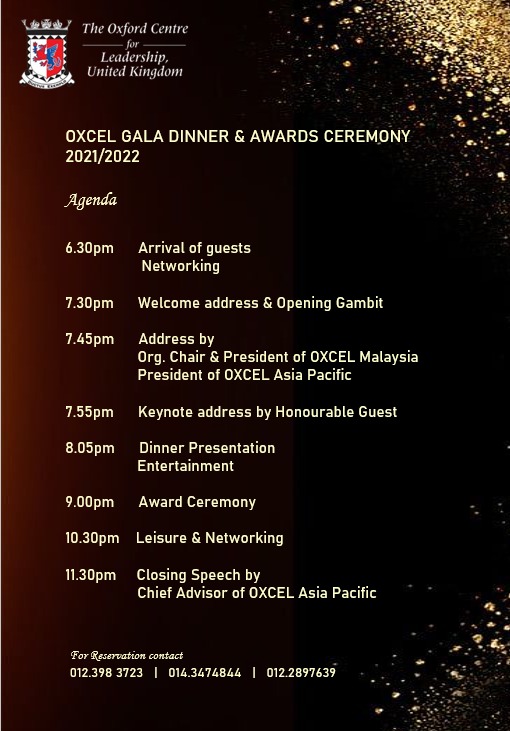



























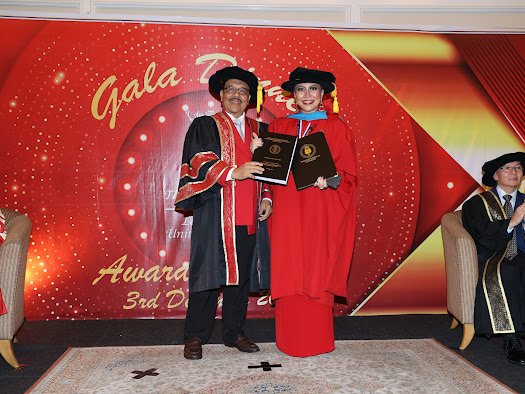










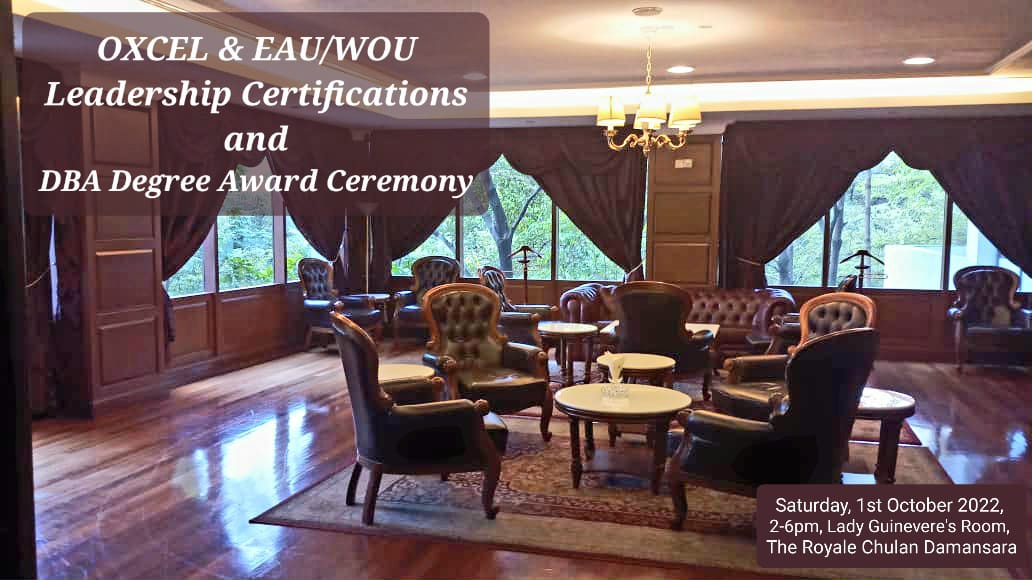


 OXCEL - The Oxford Centre for Leadership
You must be logged in to post a comment.